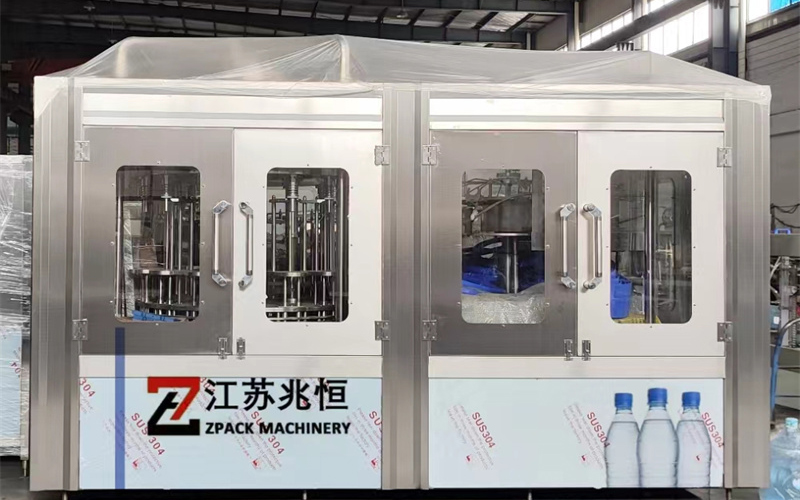
Packaged drinking water filling machines are essential in the beverage industry, enabling efficient and hygienic packaging of water products. As a purchasing manager or distributor, understanding the specifications and capabilities of these machines is crucial for making informed decisions. This article will guide you through key aspects of packaged drinking water filling machines, addressing buyer concerns related to specifications, quality standards, applications, and feature comparisons to help you choose the best solution for your business needs.
When evaluating packaged drinking water filling machine, it's vital to consider several specifications that directly impact performance and suitability. Key specifications include:
Filling Capacity: This refers to the number of bottles or containers filled per hour. The capacity should align with your production goals to ensure efficiency without bottlenecks.
Filling Method: Machines may use gravity, pressure, or vacuum filling methods. Each method has its advantages depending on the container type and required precision. For instance, pressure filling is often preferred for carbonated beverages, while gravity filling is common for still water.
Material Construction: Machines are typically made from stainless steel or food-grade plastic. Stainless steel offers durability and hygiene, essential for maintaining water quality.
Automation Level: Fully automated machines can significantly reduce labor costs and improve consistency. Consider whether a semi-automatic or fully automatic system fits your operational needs.
Understanding these specifications helps ensure that the chosen machine aligns with production requirements and maintains the integrity of the packaged water.
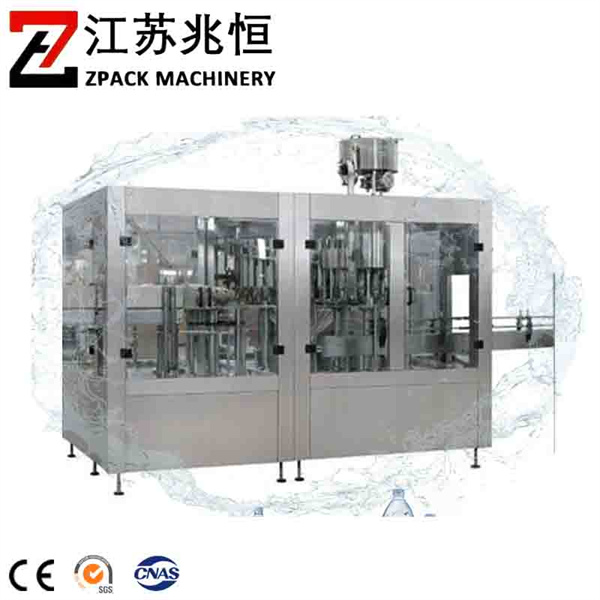
Selecting the right packaged drinking water filling machine involves several considerations:
Production Volume: Assess your production scale. High-volume operations might require machines with larger capacities or multi-head filling options, while smaller operations can benefit from compact models.
Container Types: Identify the types of bottles or containers you will use. Machines should be compatible with your specific formats, whether PET bottles, glass bottles, or pouches.
Customization Options: Some manufacturers offer customization to meet specific needs, such as unique bottle shapes or sizes. Ensure your supplier can accommodate these requirements.
Budget Constraints: While investing in high-quality equipment is essential, ensure that the machine fits within your budget. Compare total costs, including maintenance and operational expenses, not just the initial purchase price.
Supplier Reputation: Evaluate the manufacturer's experience and reliability. A company like ZPACK Machinery, with over 10 years in the industry, can provide valuable insights and support.
By considering these factors, you can make a more informed decision that aligns with your production goals and budget.
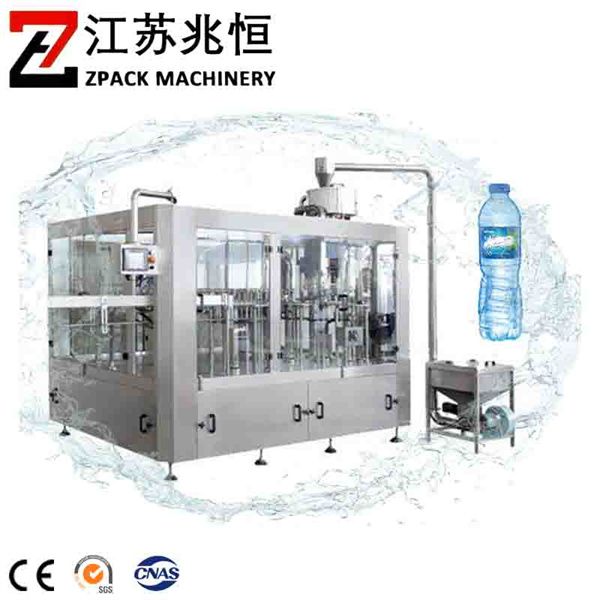
Quality standards are critical in the beverage industry, especially for products like packaged drinking water. When evaluating machines, consider the following:
Certifications: Look for drinking water filling machine that comply with international quality standards such as ISO, HACCP, or FDA regulations. These certifications indicate that the equipment meets stringent safety and hygiene requirements.
Quality Control Processes: Understand the manufacturer's quality control measures. A robust QC process ensures that every machine produced meets high standards and minimizes defects.
Material Safety: Ensure that the materials used in the machine construction are food-grade and resistant to corrosion, which is crucial for hygiene and durability.
Performance Testing: Check if the manufacturer conducts performance tests on the machines before shipment. This can include filling accuracy tests, speed tests, and stress tests to ensure reliability.
By focusing on these quality standards, you can enhance the safety and reliability of your packaged drinking water products.
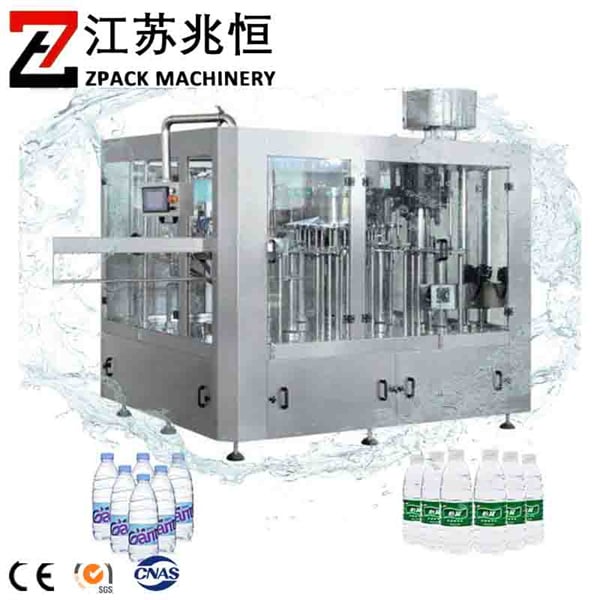
Packaged drinking water filling machines serve numerous industries beyond just beverage production. Some notable applications include:
Food and Beverage Industry: These machines are primarily used for bottling still and sparkling water, ensuring that products reach consumers in a safe and hygienic manner.
Pharmaceutical Industry: High-purity water filling machines are used for packaging sterile water or water used in injectables, where contamination risks must be minimized.
Chemical Industry: In sectors where high-purity water is required for chemical formulations, specialized filling machines ensure accurate filling without contamination.
Agricultural Sector: Packaged water can be used in agricultural applications, such as irrigation systems or livestock hydration, requiring robust filling solutions.
Understanding the diverse applications of these machines can help you identify opportunities for expansion into new markets or product lines.
We offer life-long after-sales service and a guarantee of quality. This will protect your equipment at every stage. This is why we provide a apple juice filling and sealing machine filling after-sales service to ensure our customers their satisfaction. We establish a dedicated after-sales guarantee group for each customer, ensuring timely and efficient service. Our team is available to respond within two hours, and provide an answer within eight hours if any problems arise. We also provide an extended warranty, and our highly skilled maintenance staff is always available to provide technical assistance and assistance.
We offer affordable products and customized, personalized products. We place great importance on the quality of our products. When our equipment is finished It is tested apple juice filling and sealing machine filling in sufficient quantities to ensure that it is operating at its best. We adhere to stringent quality control guidelines and use modern testing methods to ensure that every piece of equipment is in line with our high standards before it is shipped to our clients.
High standards and 5 gallon filling machine requirements are incorporated into the design and production of equipment We can offer an affordable prices We are proud of our ability to offer competitive prices without compromising on the quality We eliminate middlemen by relying only on our physical manufacturing facility This eliminates unnecessary price hikes We are able to pass savings onto our customers and make sure they receive the most value
We specialize in the production of new equipment and providing solutions to clients across the world We are a 5 gallon filling machine company that is recognized nationally Our capabilities in research and development are formidable Our team of experts are composed of top industry experts and innovators who are always striving to push the boundaries of technology to develop modern solutions Our products and services stay ahead of technological advancements providing our customers with an competitive advantage
When comparing different packaged drinking water filling machines, consider the following features:
Speed and Efficiency: Look for machines that offer high filling speeds without sacrificing accuracy. Higher efficiency can lead to reduced operational costs.
Ease of Operation: User-friendly interfaces and controls can reduce training time and improve productivity. Consider machines that offer intuitive operation.
Maintenance Requirements: Evaluate the ease of maintenance. Machines that are easy to clean and service will save time and costs in the long run.
Flexibility: Some machines can handle various container sizes and shapes, which is beneficial if your product line varies or changes frequently.
Support and Service: Consider the level of after-sales support provided by the manufacturer. Reliable support can significantly reduce downtime and maintenance issues.
By carefully comparing these features, you can select a packaged drinking automatic water filling machine that not only meets your current needs but also supports future growth and product diversification.
In summary, investing in the right packaged drinking water filling machine involves understanding specifications, evaluating quality standards, and considering application requirements. By approaching the selection process with a clear understanding of your operational needs and the capabilities of available machines, you can ensure a successful purchase that contributes to your business's growth.
 EN
 AR
 BG
 NL
 FR
 DE
 EL
 HI
 IT
 JA
 KO
 PT
 RU
 ES
 TL
 IW
 ID
 SR
 VI
 SQ
 TH
 TR
 FA
 AF
 MS
 SW
 BE
 BN
 EO
 HA
 KM
 LA
 MN
 ZU
 UZ
 AM
 KU
 SD
 XH