 EN
EN
 AR
AR
 BG
BG
 NL
NL
 FR
FR
 DE
DE
 EL
EL
 HI
HI
 IT
IT
 JA
JA
 KO
KO
 PT
PT
 RU
RU
 ES
ES
 TL
TL
 IW
IW
 ID
ID
 SR
SR
 VI
VI
 SQ
SQ
 TH
TH
 TR
TR
 FA
FA
 AF
AF
 MS
MS
 SW
SW
 BE
BE
 BN
BN
 EO
EO
 HA
HA
 KM
KM
 LA
LA
 MN
MN
 ZU
ZU
 UZ
UZ
 AM
AM
 KU
KU
 SD
SD
 XH
XH

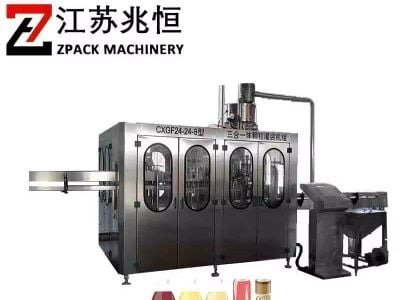
Automatic Carbonated Drinks Filling Line for High-Speed Production
Automatic carbonated drinks filling lines are important machines in modern beverage production. They help manufacturers fill bottles or cans with carbonated beverages quickly, accurately, and consistently. For companies producing soda, sparkling water, energy drinks, and other fizzy beverages, production speed can have a major impact on their ability to meet customer demand. At ZPACK, we understand that beverage manufacturers need filling equipment that combines speed, accuracy, reliability, and flexibility. A well-designed automatic filling line can reduce manual work, minimize product waste, and maintain consistent filling performance throughout long production runs. It can also be configured to work with different container sizes and production requirements. As beverage demand continues to grow, choosing the right filling equipment becomes increasingly important. Understanding the main features, selection factors, components, and industry trends can help businesses make better decisions when investing in an automatic carbonated drinks filling line.
What Makes Automatic Carbonated Drinks Filling Lines Ideal for High-Speed Production?
One of the biggest advantages of an automatic carbonated drinks filling line is its ability to handle large production volumes. Unlike manual filling methods, automated equipment can continuously fill containers with limited operator intervention. This allows beverage manufacturers to produce large quantities of products within a shorter period. Filling speed is especially important for companies serving large markets. When customer demand increases, manufacturers need equipment capable of maintaining production without sacrificing product quality. A properly configured filling line can help businesses increase output while maintaining consistent filling performance.
Accuracy is another important advantage. Automatic filling systems are designed to deliver a controlled amount of beverage into each container. Consistent filling helps ensure that bottles or cans contain the intended volume. This can reduce product loss and help manufacturers maintain consistent packaging standards. Carbonated beverages also require special handling because they contain dissolved carbon dioxide. During filling, excessive pressure changes or unsuitable filling conditions can cause excessive foaming or loss of carbonation. A suitable filling system is designed to control the filling process and help maintain the beverage's carbonation characteristics. Automation can also reduce the amount of repetitive manual work required on the production line. Workers can focus on monitoring equipment, performing quality checks, managing materials, and handling other production tasks instead of manually filling individual containers. Flexibility is another useful feature. Many modern filling lines can be configured for different container sizes and product types. This can be valuable for manufacturers that produce several beverage products or package drinks in multiple bottle formats. When the equipment can be adjusted efficiently, businesses can reduce downtime between production runs. Cleaning and maintenance are also important considerations. Beverage equipment must be maintained carefully to prevent contamination and ensure reliable operation. Equipment designed with accessible components and suitable cleaning procedures can make routine maintenance easier. The combination of high production speed, accurate filling, carbonation control, automation, and flexibility makes automatic carbonated drinks filling line suitable for demanding beverage production environments. ZPACK focuses on providing equipment designed to support efficient and consistent beverage manufacturing.
How to Choose the Best Automatic Carbonated Drinks Filling Line for Wholesale Needs?
Selecting an automatic carbonated drinks filling line requires careful consideration of the business's production requirements. The first factor to evaluate is production capacity. Before purchasing equipment, determine how many bottles or cans need to be produced per hour or per day. Choosing a machine with insufficient capacity can create production bottlenecks, while equipment with significantly more capacity than required may increase the initial investment unnecessarily. The type of beverage should also be considered. Carbonated drinks can have different formulations and characteristics, so the filling system should be suitable for the specific products being manufactured. Manufacturers producing several beverage types should confirm that the equipment can accommodate their entire product range.
Container specifications are equally important. Buyers should provide information about the bottle or can size, shape, material, and neck dimensions when discussing equipment requirements. The filling line should be compatible with the containers used in production.
Available factory space is another practical consideration. A complete filling line can include multiple machines and conveyor sections, so manufacturers need to evaluate the available floor area before installation. The layout should allow sufficient space for operators, maintenance, cleaning, and material handling. Ease of operation should also be evaluated. A user-friendly control system can help operators monitor production and make necessary adjustments. Clear controls and suitable automation can reduce the learning curve for workers and make daily operation more efficient.
Energy and utility requirements should not be overlooked. Different machines may require specific electrical power, compressed air, water, or other utilities. Understanding these requirements before installation can help prevent unexpected infrastructure costs.
Maintenance and technical support are also important when selecting a supplier. Beverage filling equipment is a major production investment, so reliable after-sales service can be valuable if maintenance or troubleshooting is required. Buyers should ask about spare parts, technical support, installation assistance, and maintenance procedures. At ZPACK, understanding the customer's production volume, beverage types, container specifications, available space, and long-term requirements can help determine an appropriate filling line configuration.
What Are the Key Features of High-Speed Carbonated Drinks Filling Lines?
High-speed carbonated drinks filling lines combine several technologies to achieve fast and consistent beverage production. One of the most important features is the automated filling system. Automation allows containers to move through the production process with limited manual intervention. The filling system must also provide accurate volume control. Consistent filling is important for product quality and helps manufacturers avoid unnecessary beverage waste. Modern equipment can use controlled filling processes to improve consistency across large production batches.
Carbonation management is another critical feature. Carbonated beverages contain dissolved carbon dioxide, and the filling process needs to minimize unnecessary carbonation loss. Appropriate pressure control and filling procedures can help reduce foaming and preserve the desired characteristics of the beverage. High-speed filling lines also commonly include conveyor systems that move containers between different stages of production. Depending on the complete configuration, these stages may include rinsing, filling, capping, labeling, inspection, and packaging.
Quick changeover capability can also provide an advantage for manufacturers producing multiple products. If equipment can be adjusted efficiently for different container sizes or beverage products, downtime between production runs can be reduced. Hygienic construction is particularly important in beverage production. carbonated beverage production line surfaces and components that come into contact with beverages should be suitable for the intended application and compatible with the required cleaning procedures. Easy-to-clean designs can support better production hygiene and maintenance. Durability is another consideration. High-speed equipment operates for extended periods and may experience significant mechanical activity. Using suitable materials and reliable components can help improve equipment longevity and reduce unexpected downtime.
Modern filling lines can also incorporate monitoring and control systems. Sensors and automated controls can monitor aspects of the production process and provide operators with information about equipment performance. These technologies can help manufacturers identify problems earlier and improve production management. For ZPACK, combining speed with accuracy, carbonation control, hygienic design, durability, and automation is important when developing filling equipment for modern beverage manufacturers.
Where Can You Source Quality Components and What Trends Are Shaping the Future?
Quality components are essential for maintaining the performance of a carbonated drinks filling line. Components used in high-speed beverage equipment need to be suitable for continuous operation and compatible with the requirements of carbonated beverage production. When sourcing components, manufacturers should consider the supplier's experience, product quality, compatibility, availability, and technical support. Components should be selected according to the specifications of the filling line rather than simply choosing the least expensive option. Reliable suppliers can also help manufacturers obtain replacement components when maintenance is required. Keeping important spare parts available can reduce downtime and help production return to normal more quickly if a component needs replacement. Another important factor is documentation. Suppliers should provide appropriate technical information about components, including specifications, operating requirements, and maintenance recommendations. Clear information makes installation and maintenance easier. Cost is naturally an important consideration, but quality should not be sacrificed simply to reduce the initial purchase price. Poor-quality components can lead to frequent failures, increased maintenance requirements, and production interruptions. A reliable component may provide better value over its service life. Looking ahead, several trends are influencing automatic filling lines in the beverage industry. One major trend is the growing interest in healthier beverages. Manufacturers are increasingly developing products with lower sugar levels, functional ingredients, natural formulations, and alternative beverage concepts. Filling equipment therefore needs to provide flexibility for different beverage formulations and packaging formats.
Sustainability is another major trend. Beverage companies are looking for ways to reduce packaging waste, improve resource efficiency, and use recyclable or lightweight containers. Filling lines can support these goals by providing accurate filling, reducing product loss, and accommodating different packaging solutions. Smart manufacturing is also becoming more important. Sensors, automated monitoring, and data collection can provide manufacturers with more information about production performance. Operators can use this information to identify inefficiencies, monitor equipment conditions, and improve production planning. Automation will continue to play an important role as manufacturers look for ways to increase productivity while managing labor requirements. Automated systems can perform repetitive tasks consistently and allow workers to focus on supervision, quality control, maintenance, and other responsibilities. For beverage manufacturers, these developments make it increasingly important to choose filling equipment that can adapt to changing production requirements. ZPACK aims to support beverage companies with carbonated beverage filling machine solutions that combine productivity, precision, flexibility, and modern production technology. With the right equipment and reliable components, manufacturers can improve production efficiency while maintaining the quality and consistency customers expect.
Table of Contents
- What Makes Automatic Carbonated Drinks Filling Lines Ideal for High-Speed Production?
- How to Choose the Best Automatic Carbonated Drinks Filling Line for Wholesale Needs?
- What Are the Key Features of High-Speed Carbonated Drinks Filling Lines?
- Where Can You Source Quality Components and What Trends Are Shaping the Future?