Investing in a water glass packing machine is crucial for beverage manufacturers aiming to optimize their production lines. This equipment not only enhances efficiency but also ensures the safe and attractive packaging of water in glass containers. As purchasing managers and industry professionals consider their options, they often have key concerns regarding reliability, cost, and compatibility with existing systems. This article will provide essential insights into what to look for when selecting a supplier, guide you through the purchasing process, and highlight the critical aspects of installation and operational features.
When evaluating suppliers of water glass packing machines, it's vital to consider several factors that can affect your production efficiency and product quality. Look for a supplier with a proven track record in the beverage industry, ideally one with extensive experience in manufacturing filling and packing lines. ZPACK Machinery, for instance, has over 10 years of experience providing comprehensive beverage production solutions, which can provide buyers with confidence in their capabilities.
Evaluate the supplier's manufacturing capabilities, including their technology and equipment. A strong R&D team can mean innovative solutions tailored to your specific needs, while a direct-from-factory model often translates to competitive pricing. Certifications related to quality management systems, such as ISO standards, are also crucial as they reflect the supplier's commitment to maintaining high production standards.
Additionally, assess the supplier's customization capabilities. Depending on your production requirements, you may need machines that accommodate varying glass sizes or designs. Engaging with a supplier who can offer tailored solutions can lead to more efficient production processes and better product outcomes.
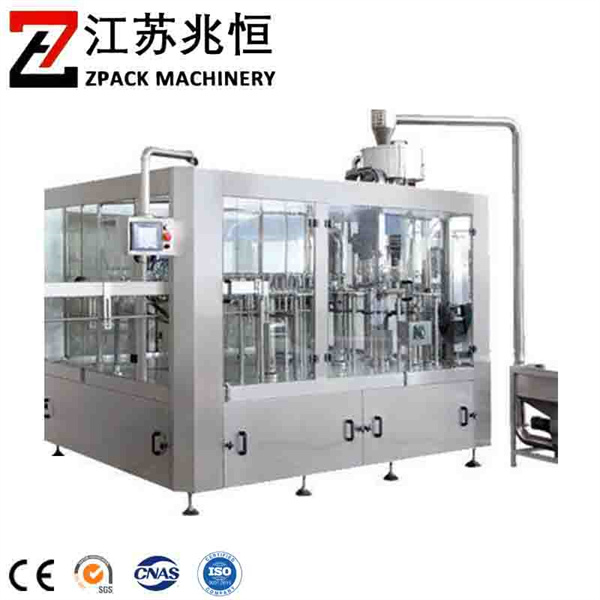
Purchasing a water glass packing machine involves a series of steps that ensure you select the right equipment for your operations. Start by determining your production needs, including the expected output, the types of glass containers you will use, and any specific features you require, such as automated bottle feeding systems or integrated labeling.
Next, gather information on potential suppliers. Request product catalogs and technical documentation to compare specifications such as machine dimensions, filling speeds, and energy consumption. It's also advisable to ask for references or case studies from other clients in your industry to gauge their satisfaction and the machine's performance in real-world conditions.
When requesting quotations, provide detailed information about your requirements, including expected order volumes and any customization requests. This transparency will help suppliers give you accurate pricing and lead times.
Finally, don’t overlook the importance of after-sales support. Ensure that your selected supplier offers comprehensive training, maintenance services, and readily available spare parts to minimize downtime.
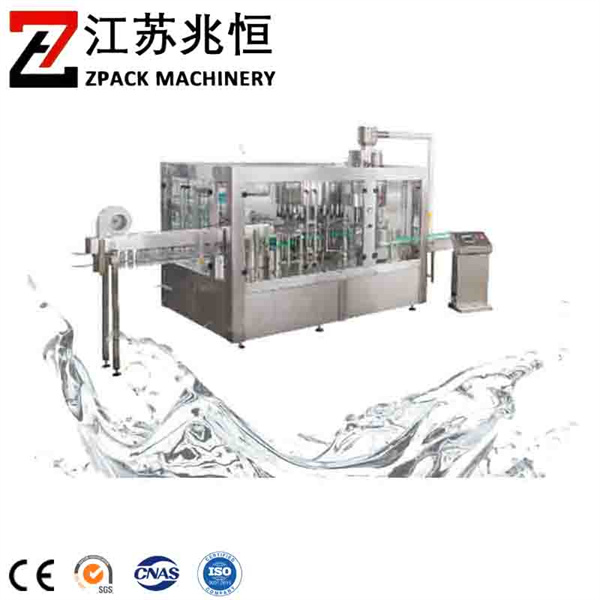
Cost is a significant factor in any capital investment, and water glass packing machines are no exception. While it may be tempting to choose the lowest-priced option, it’s essential to consider the total cost of ownership, which includes not only the initial purchase price but also operational costs, maintenance expenses, and the potential need for future upgrades.
Factors influencing the price include machine specifications, production capacity, and additional features. For instance, machines with higher automation levels may have a higher upfront cost but can lead to lower labor costs and increased efficiency in the long run. Additionally, consider the energy efficiency of the water glass packing machine, as energy costs can accumulate significantly over time.
Buyers should also be aware of any minimum order quantities (MOQs) that suppliers may impose, which could affect total investment costs. Understanding the lead times and payment terms can also help in managing cash flow effectively.
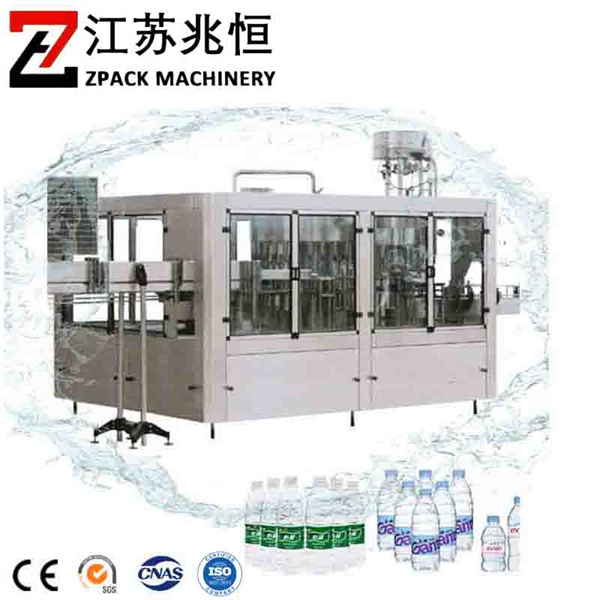
Proper installation of your water glass packing machine is critical to ensure optimal performance and longevity. First, ensure that the installation site meets the necessary specifications, including adequate space, proper electrical connections, and environmental controls such as temperature and humidity levels.
Before installation, review the manufacturer's guidelines thoroughly. It’s advisable to involve qualified technicians, either from the supplier or your own engineering team, to oversee the installation process. They can ensure that all components are correctly assembled and calibrated according to the specifications.
Once installed, conduct a thorough testing phase. This should include verifying that the water glass filling machine operates correctly under various conditions and that it meets the expected production rates. Pay attention to the alignment and sealing capabilities of the machine, as these factors can significantly affect the quality of the final packaged product.
Lifetime after-sales service and unwavering commitment to quality that protects your equipment at each step of the way. We know that a product's capabilities don't end with its purchase. We offer a full range of support following sales to ensure our customers satisfaction. We create an exclusive after-sales support group to each customer, guaranteeing prompt and efficient service. If any issues arise we will reply within Active carbon filter and provide solutions within 8 hours. We also provide a longer warranty period, and our support staff is always available to assist with technical issues.
We are very apple juice filling and sealing machine filling of our capability to provide cheap prices with no compromise on quality Utilizing our own physical factory we eliminate the need for middlemen so we can avoid costly price increases We are able to pass savings to our clients and make sure they receive the best value
5 gallon water bottle filling machine in the development of cutting-edge equipment and offering solutions to clients across the world We are a high-tech firm that is nationally recognized Our capabilities in research and development are unbeatable Our team of experts are comprised of leaders in the industry and innovators who are constantly challenging the limits of technology to create innovative solutions Our products and services stay ahead of technological advances thereby providing our customers with an competitive edge
We offer competitive products as well as 5 gallon water filling machine products. Quality is paramount to us. Our equipment is subjected to extensive testing to ensure its flawless operation. We employ the most recent testing techniques and follow strict standards of quality control in order to ensure our equipment is up to standards prior to delivering it to our customers.
When selecting a water glass packing machine, understanding its features and benefits is essential for maximizing your investment. Key features to consider include:
Automation Levels: Highly automated machines reduce manual labor and increase throughput while minimizing the risk of human error. Look for automatic water glass packing machine with features like automatic bottle sorting and filling.
Flexibility: The ability to handle different glass sizes and shapes is crucial, especially for manufacturers with diverse product lines. A machine that can easily switch between formats can enhance production versatility.
Efficiency: Consider machines that offer energy-efficient operations, reducing overall operating costs. Features such as quick-changeover capabilities and minimal downtime between runs can significantly impact productivity.
Quality Control Systems: Integrated quality control mechanisms, such as fill level sensors and leak detection, can help ensure that each package meets stringent quality standards, reducing waste and rework.
Understanding these features and how they align with your production requirements can lead to improved efficiency, reduced costs, and higher-quality outputs in your beverage packaging line.
In summary, selecting and purchasing a water glass packing machine involves careful consideration of supplier reliability, cost factors, and operational needs. By following these guidelines, you can make informed decisions that align with your business goals and enhance your production capabilities.
 EN
 AR
 BG
 NL
 FR
 DE
 EL
 HI
 IT
 JA
 KO
 PT
 RU
 ES
 TL
 IW
 ID
 SR
 VI
 SQ
 TH
 TR
 FA
 AF
 MS
 SW
 BE
 BN
 EO
 HA
 KM
 LA
 MN
 ZU
 UZ
 AM
 KU
 SD
 XH