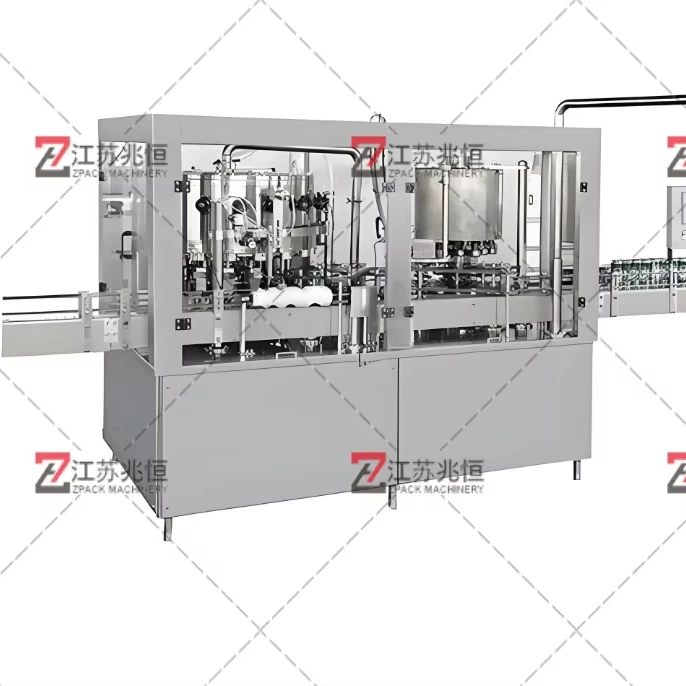
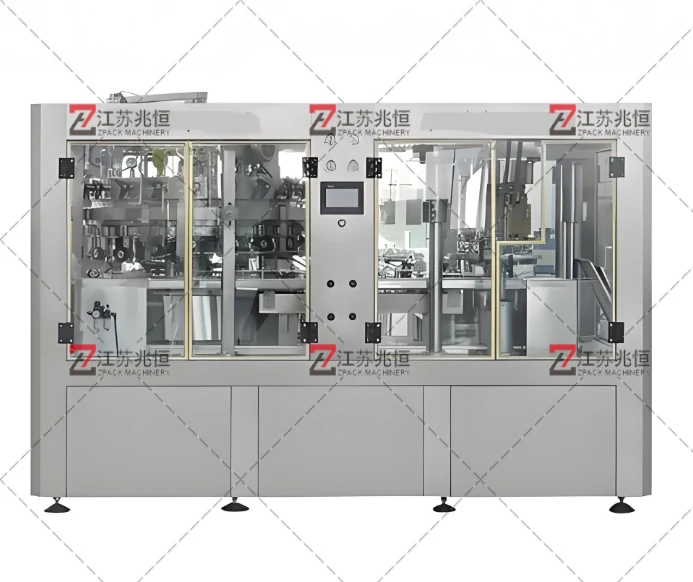
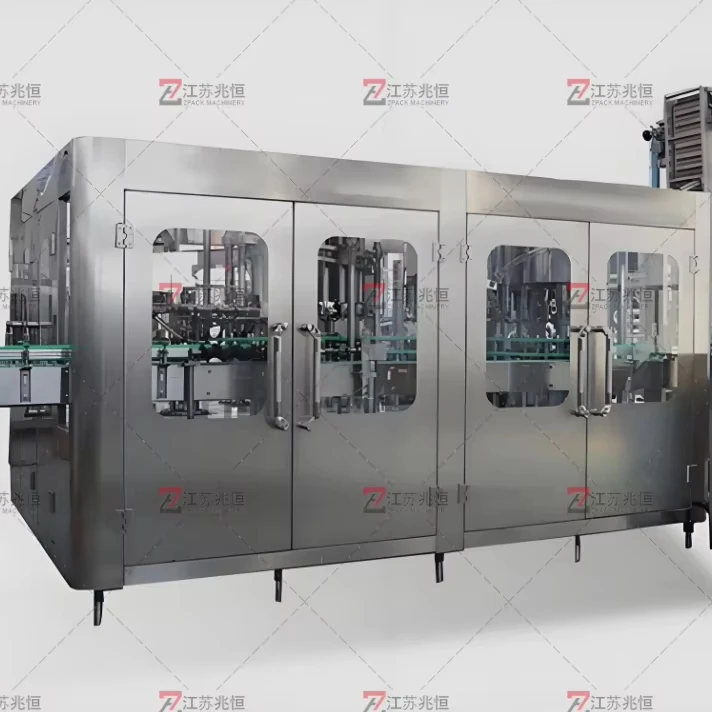
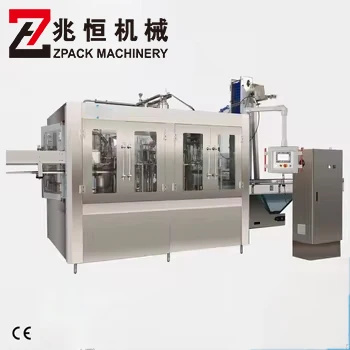
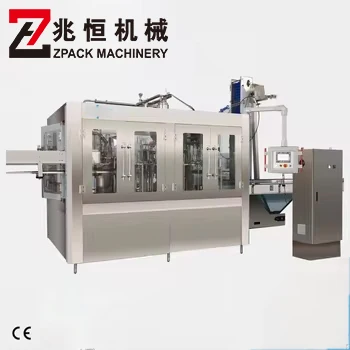
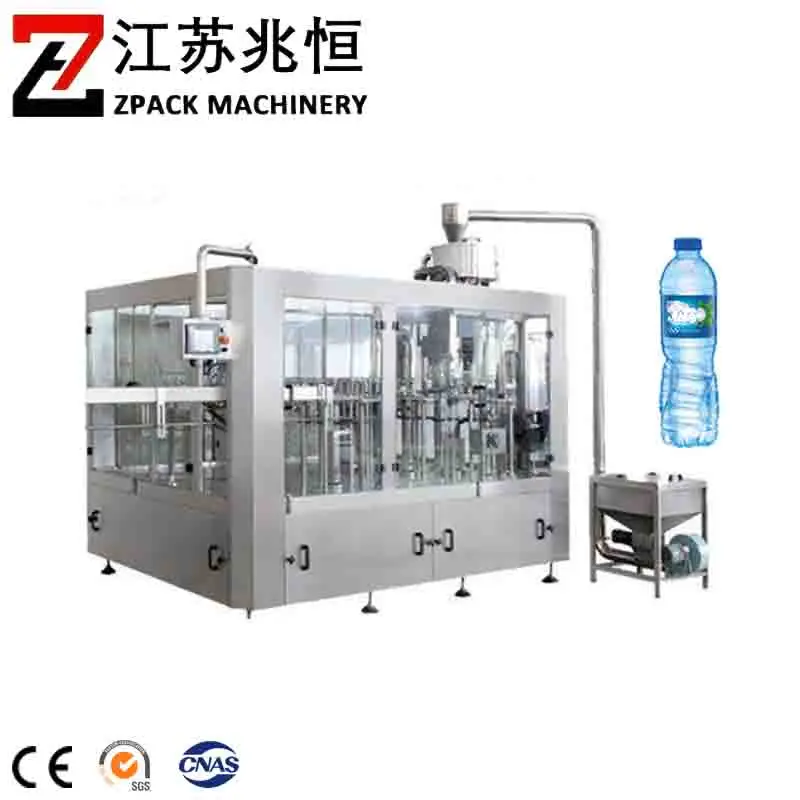
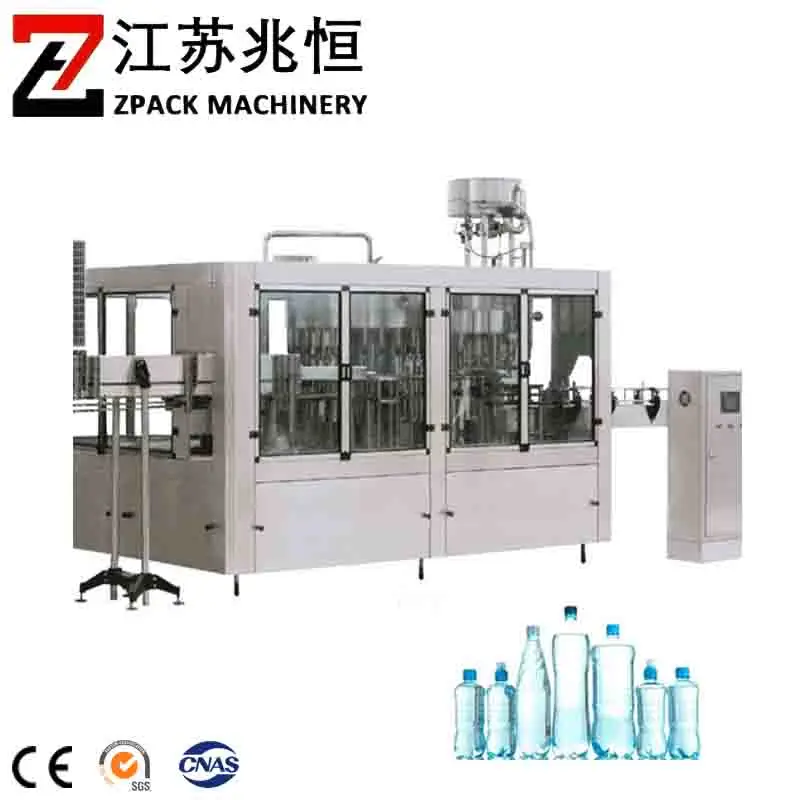
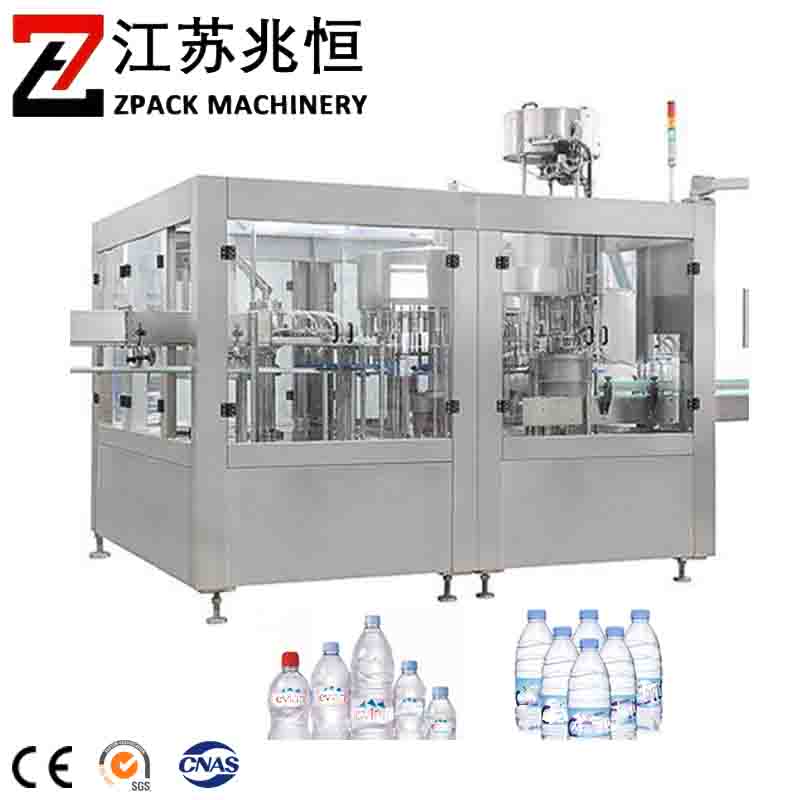
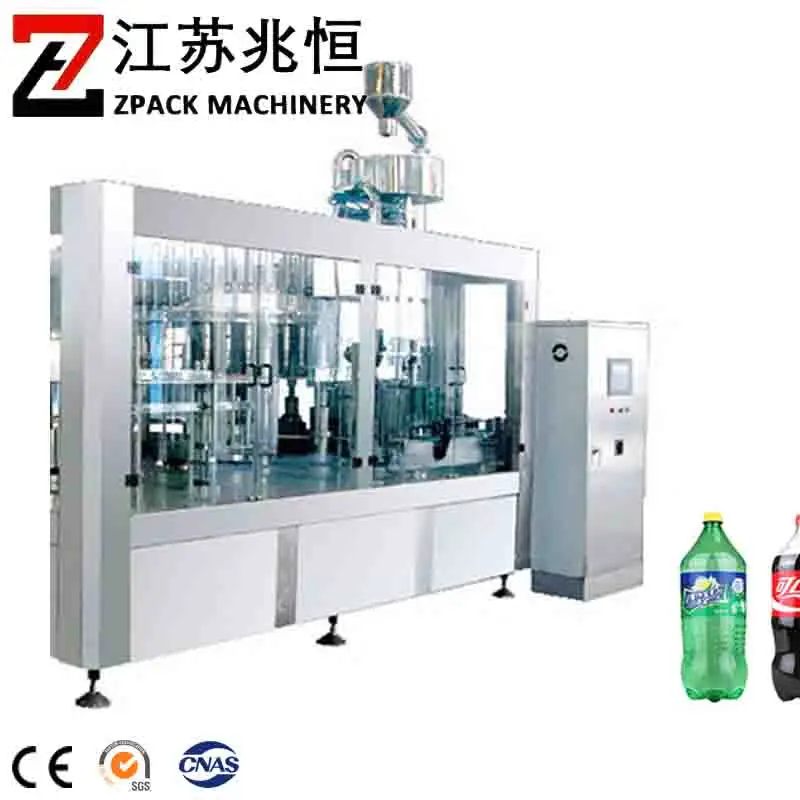
When it comes to automating the packaging process for beverages, a water can filling machine is essential for achieving efficiency and consistency. These automatic juice filling machine are designed to fill containers with water or other liquids quickly and accurately, making them a critical investment for manufacturers in the beverage industry, we will explore how to choose the right water can filling machine, key specifications to consider, cost factors, reliable suppliers, and common issues you might encounter along with their solutions.
Selecting the right ZPACK water can filling machine involves several critical considerations. First, assess the production capacity needed to meet your demand. Machines vary significantly in output, so understanding your volume requirements will guide your choice. Next, consider the types of containers you will be using. Compatibility with various sizes and formats is crucial for versatility.
Another factor is the level of automation you require. Fully automated machines can significantly enhance efficiency but may come with higher upfront costs. Semi-automated options may suit smaller operations or those with varying production needs. Additionally, evaluate the machine's ease of operation and maintenance. A user-friendly interface and accessible parts can reduce downtime and training costs.
Finally, customization capabilities are worth considering. If your production needs are unique, automatic liquid bottle filling machine that can be tailored to your specifications will be a more valuable investment in the long run.
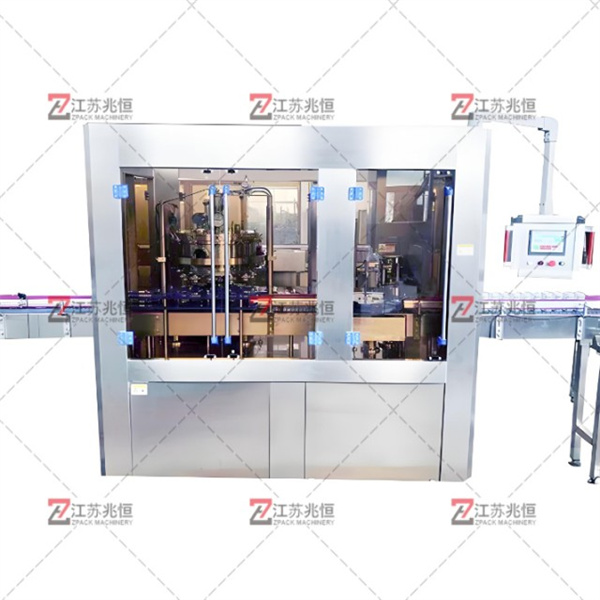
When evaluating water filling machines, several specifications should be at the forefront of your analysis:
Filling Accuracy: Look for machines offering high precision in filling quantities to minimize waste and ensure product consistency. Accuracy typically ranges from ±1% to ±0.5%, depending on the machine type.
Filling Speed: This is crucial for meeting production targets. Consider machines that can fill multiple containers simultaneously or those equipped with high-speed pumps.
Material Construction: Stainless steel is the preferred material for components that come into contact with liquids due to its resistance to corrosion and ease of cleaning. Verify that the machine complies with food safety standards.
Control Systems: Advanced control systems with programmable settings can allow for easier adjustments of filling parameters and monitoring of performance.
Cleaning and Maintenance Features: Machines designed with easy disassembly and cleaning in mind can save significant time and effort in maintaining hygiene standards.
Energy Efficiency: Look for machines that optimize energy consumption, which can lead to savings over time, particularly in high-volume operations.
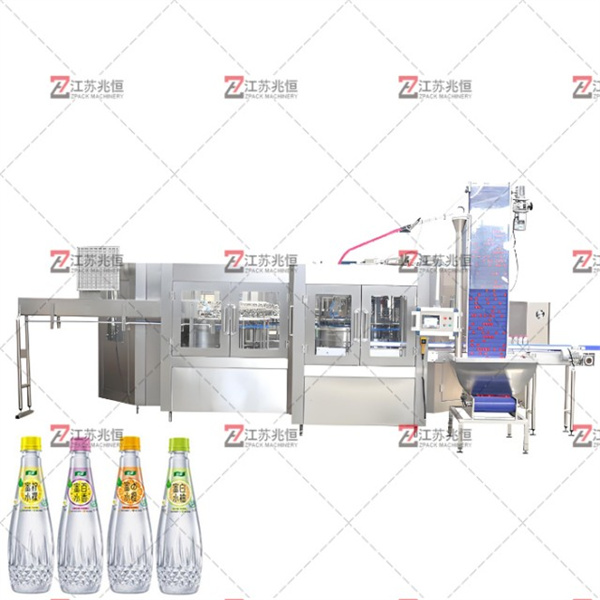
The cost of ZPACK water can filling machines can vary widely based on several factors. Initial purchase price is just one component; consider the following:
Machine Type: Fully automated machines generally have a higher initial cost compared to semi-automated models. However, they may offer greater long-term savings through increased productivity.
Production Capacity: Higher capacity automatic liquid filling machine typically come with a higher price tag. Assess your current and future production needs to find a balance.
Customization: Custom features, such as specific filling mechanisms or container handling systems, will add to the overall cost but may be necessary for specific applications.
Maintenance and Operation Costs: Factor in ongoing costs, such as parts replacement, routine maintenance, and energy consumption. Machines with better durability and easier maintenance can provide a lower total cost of ownership.
Supplier Support: Consider the cost of warranties and the availability of technical support. A machine backed by strong supplier support can reduce risks and potential downtime.
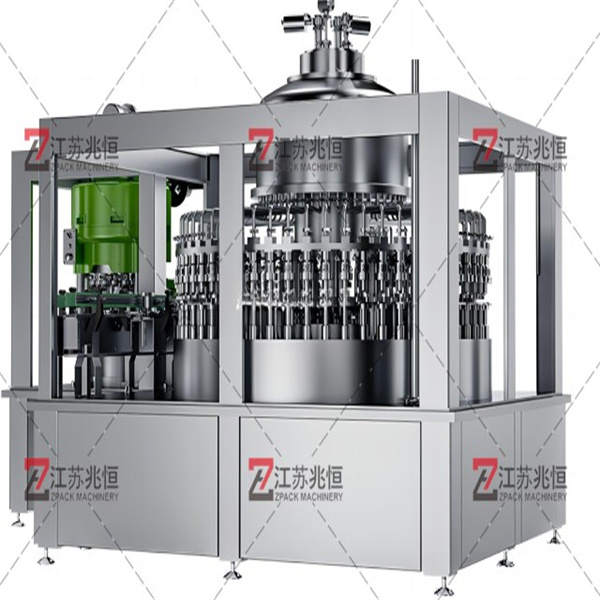
Finding a trustworthy supplier for your water can filling machine is crucial for ensuring quality and reliability. Start by researching manufacturers with a proven track record in the beverage filling industry. Look for companies like ZPACK Machinery, which offer comprehensive solutions and have extensive experience in the market.
Online platforms, industry trade shows, and recommendations from industry peers are excellent resources for identifying potential suppliers. When evaluating suppliers, consider their reputation, customer reviews, and the breadth of their product offerings. It’s also beneficial to inquire about their customization capabilities, lead times, and after-sales service.
Before making a decision, request detailed quotations and product specifications from multiple suppliers. This will help you compare features, pricing, and support options effectively.
Unwavering commitment to quality that protects your equipment with every step of the way. We recognize that a product's capabilities don't end after the purchase. We provide a comprehensive after sale to ensure customer satisfaction. We create an after-sales guarantee team for each customer, ensuring timely and efficient service. When any issues arise our team will address the issue within two hours and offer an solution within eight hours. We also provide a longer 5 gallon filling machine time, and our maintenance staff is always on hand to help with technical issues.
We offer competitive products as well as 5 gallon water filling machine products. Quality is paramount to us. Our equipment is subjected to extensive testing to ensure its flawless operation. We employ the most recent testing techniques and follow strict standards of quality control in order to ensure our equipment is up to standards prior to delivering it to our customers.
We 5 gallon water bottle filling machine very proud of our ability to provide competitive prices without compromising quality We eliminate middlemen by relying exclusively on our physical facility This avoids any unnecessary price increases This allows us to give the savings directly to our customers which ensures that they get the best value for their money
Specialized in the 5 gallon water bottling machine of new equipment and providing solutions to clients across the world As a nationally recognized high-tech firm we are able to boast a formidable scientific and technological research and development strength Our team of experts are comprised of industry leaders and innovators who are always exploring the frontiers of technology to design innovative solutions Our products and services will remain in the forefront of technology allowing our customers to enjoy a a competitive advantage
Water filling machines can encounter various issues during operation. Understanding these problems and how to address them can save time and costs:
Filling Inaccuracy: If your machine is filling containers inconsistently, check for wear in the filling nozzles or calibration errors. Regular maintenance and recalibration can often resolve these issues.
Container Jam: Jamming can occur if the machine isn’t correctly aligned with the containers. Ensure that the setup is correct and that there are no obstructions in the feed system.
Leakage: Leakage can arise from faulty seals or worn-out components. Regular inspection and timely replacement of parts can help maintain operational integrity.
Performance Fluctuations: Sudden drops in performance can indicate issues with the power supply or internal components. Monitoring the machine’s performance metrics can help identify problems early.
Cleaning Challenges: If cleaning is cumbersome, consider investing in machines designed for easy disassembly or those equipped with automatic cleaning systems. This can enhance hygiene and reduce downtime.
By understanding these common issues and their solutions, you can maintain the efficiency of your water can filling machine and ensure a smooth production process.
In summary, investing in a water can filling machine requires careful consideration of your production needs, machine specifications, cost factors, supplier reliability, and potential operational challenges. With the right information and preparation, you can make an informed decision that supports your business objectives.
 EN
 AR
 BG
 NL
 FR
 DE
 EL
 HI
 IT
 JA
 KO
 PT
 RU
 ES
 TL
 IW
 ID
 SR
 VI
 SQ
 TH
 TR
 FA
 AF
 MS
 SW
 BE
 BN
 EO
 HA
 KM
 LA
 MN
 ZU
 UZ
 AM
 KU
 SD
 XH