The glass water bottle filling machine is a crucial piece of equipment for manufacturers in the beverage industry, specifically designed for efficiently filling glass bottles with water and other liquids. As a B2B buyer, your primary concerns might include the machine's specifications, quality assurance, supplier reliability, and installation processes. This article will help you understand these factors in detail, ensuring you make an informed purchasing decision for your production line.
When evaluating glass water bottle filling machines, several key specifications come into play:
Filling Capacity: This measures the number of bottles filled per hour. Depending on your production needs, you may require a machine with a higher or lower capacity. For instance, a machine capable of filling 2,000 to 20,000 bottles per hour can cater to both small and large-scale operations.
Filling Accuracy: Precision is vital for maintaining product quality and reducing waste. Machines often come with a filling accuracy of ±1%, which helps ensure that each bottle receives the correct amount of liquid.
Material Specifications: The machine's construction materials, such as stainless steel for the contact parts, are critical for hygiene and durability. Stainless steel is preferred for its resistance to corrosion and ease of cleaning.
Automation Level: Fully automatic machines can greatly enhance efficiency, requiring minimal manual intervention. Consider whether you need a semi-automatic or fully automatic model based on your labor availability and production goals. For instance, a Packaging Machine could also be beneficial for your production line.
Compatibility with Bottle Sizes: Ensure that the machine can accommodate the range of bottle sizes you plan to use. Adjustable filling nozzles can offer flexibility for different bottle formats.
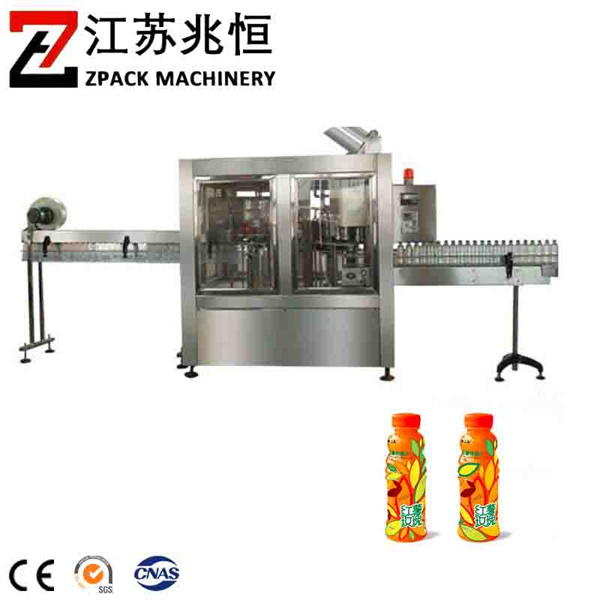
Evaluating the quality of glass water bottle filling machines involves several considerations:
Manufacturer Reputation: Research the manufacturer’s history, customer reviews, and industry experience. A well-established manufacturer like ZPACK Machinery, with over a decade of expertise, can offer insights into the reliability and performance of their machines.
Quality Control Processes: Inquire about the manufacturer's quality assurance protocols. Machines should undergo rigorous testing during production to ensure they meet specified standards.
Certifications: Check if the machine complies with international standards such as ISO or CE certifications. These certifications indicate adherence to quality and safety regulations.
Maintenance and Support: Consider the availability of technical support and maintenance services. A reliable supplier should provide comprehensive support, including spare parts and troubleshooting assistance.
Testing Samples: Before committing to a purchase, request a sample run. Observing the machine in operation can help you assess its performance and identify any potential issues.
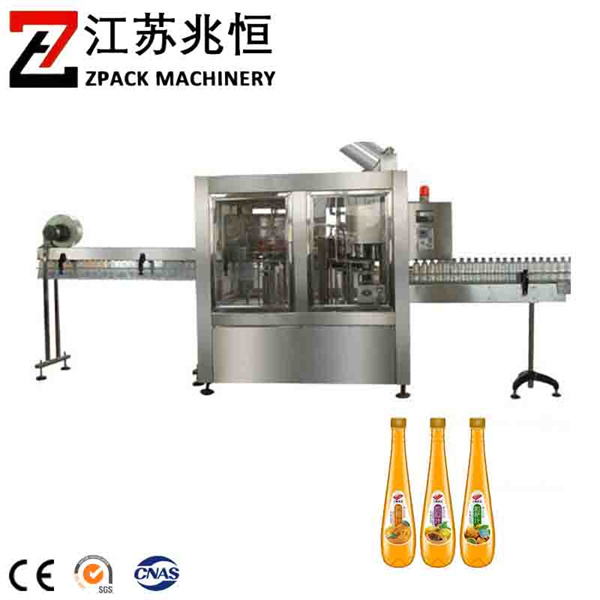
Finding a trustworthy supplier involves some research:
Industry Directories: Utilize industry-specific directories and platforms that list verified manufacturers and suppliers of beverage filling machines. Websites such as Alibaba, ThomasNet, or industry trade shows can provide valuable contacts.
Networking: Engage with industry professionals at trade shows or conferences. Networking can lead to recommendations for reputable suppliers based on first-hand experiences.
Online Reviews and Testimonials: Look for online reviews and testimonials from other buyers. This feedback can provide insights into the supplier's reliability and customer service.
Supplier Evaluation: Once you have potential suppliers, evaluate them based on their production capabilities, lead times, and pricing. Requesting quotes and comparing them can help identify the best option.
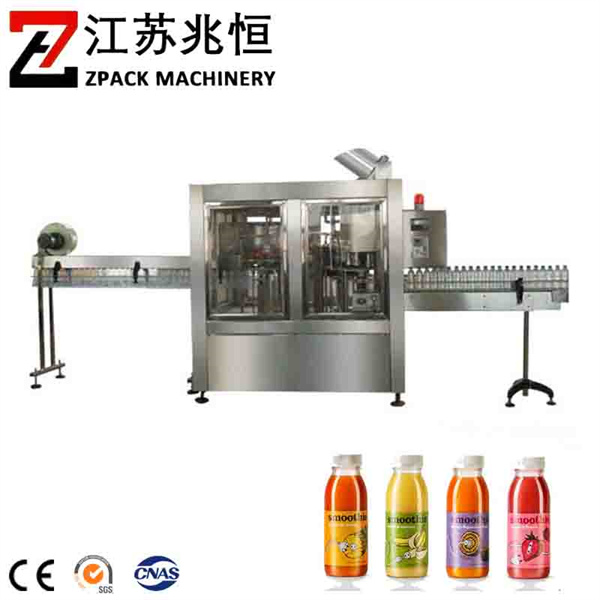
Proper installation is crucial for optimal machine performance. Here are key steps:
Site Preparation: Ensure the installation site is ready before the machine arrives. This includes adequate space, power supply, and water connections as specified by the manufacturer.
Follow Manufacturer Instructions: Refer to the installation manual provided by the manufacturer. Each machine may have unique requirements for setup and calibration.
Professional Assistance: Consider hiring professional technicians for installation. Their expertise can reduce the risk of installation errors and ensure that the machine operates correctly from the start. Additionally, a Palletizer may streamline your packaging process post-filling.
Testing Post-Installation: After installation, conduct thorough testing before commencing full production. This includes checking the filling accuracy, machine speed, and overall functionality.
Operator Training: Proper training for machine operators is essential. Ensure that staff understand how to operate the filling machine safely and efficiently to minimize downtime and maximize productivity.
Quality standards and stringent requirements are utilized in the manufacturing of equipment We can provide reasonable prices We pride 5 gallon water refill machine on our ability to offer competitive prices without compromising on quality We eliminate middlemen and rely only on our physical manufacturing facility This avoids any unneeded price increases We can pass these savings to our customers and make sure they receive the best value
We specialize in the production of new equipment and providing solutions to clients across the world We are a 5 gallon filling machine company that is recognized nationally Our capabilities in research and development are formidable Our team of experts are composed of top industry experts and innovators who are always striving to push the boundaries of technology to develop modern solutions Our products and services stay ahead of technological advancements providing our customers with an competitive advantage
We 5 gallon filling machine affordable products and customized, personalized products. We place a premium on the quality of our products. After our equipment has been completed It is tested rigorously in sufficient quantities to ensure its perfect operation. We adhere to the strictest quality control guidelines and use modern testing methods to ensure that each piece of equipment is in line with our standards prior to when it is sent to our customers.
Unwavering dedication to quality, protecting your equipment with every step of the way. We understand that a product's capabilities don't end after the purchase. We provide comprehensive after-sales support to ensure our customers their 5 gallon water bottle filling machine. We set up a specific after-sales warranty group for each customer, ensuring prompt and efficient service. Our team will be at hand to respond within two hours and provide an answer within eight hours should any issue arise. We also offer an extended warranty for our customers and our skilled maintenance team is always available to provide technical assistance and help.
The cost of glass water bottle filling machines can vary significantly based on several factors:
Machine Type and Features: Fully automatic machines typically cost more than semi-automatic ones due to their additional features and higher production efficiency. Consider your needs to determine the right machine type.
Production Capacity: Higher-capacity machines often come with a premium price tag. However, investing in a machine that meets your projected production needs can lead to cost savings over time.
Customization Requirements: Custom features may increase the initial cost. Determine if you need specialized functions or configurations that could affect the price.
Supplier Pricing: Prices can vary between suppliers. Request quotes from multiple manufacturers and compare them based on the specifications and features offered.
Long-Term Costs: Consider maintenance costs, energy consumption, and the availability of spare parts when evaluating the overall investment. A lower upfront cost may lead to higher operational expenses if the machine is not efficient or requires frequent repairs.
By understanding these factors, you can make a well-informed decision that aligns with your operational goals and budget.
 EN
 AR
 BG
 NL
 FR
 DE
 EL
 HI
 IT
 JA
 KO
 PT
 RU
 ES
 TL
 IW
 ID
 SR
 VI
 SQ
 TH
 TR
 FA
 AF
 MS
 SW
 BE
 BN
 EO
 HA
 KM
 LA
 MN
 ZU
 UZ
 AM
 KU
 SD
 XH