When it comes to packaging drinking water in glass containers, a drinking water glass packing machine is essential for ensuring efficiency and maintaining quality throughout the filling and sealing process. For B2B buyers, such as purchasing managers and engineers, understanding the specifications, quality standards, and applications of these machines is critical. This article aims to guide you through the selection process, enhance your understanding of quality evaluation, address common issues, and explore the various applications of drinking water glass packing machines.
Selecting the right drinking water glass packing machine involves considering several factors tailored to your production requirements. First, assess the production capacity needed. Machines can vary significantly in throughput, so it's essential to estimate the number of bottles per hour that you require.
Next, consider the type of glass bottles you will be using. The machine must be compatible with the dimensions and weight of your specific bottles. Some machines are designed for standard sizes while others may be customizable for unique shapes or sizes.
In addition, evaluate the automation level of the machine. Fully automated systems offer higher efficiency and reduced labor costs, while semi-automated machines may be more cost-effective for smaller operations. Finally, think about the integration of the machine into your existing production line. Compatibility with upstream processes, such as rinsing and labeling, can streamline operations and minimize downtime.
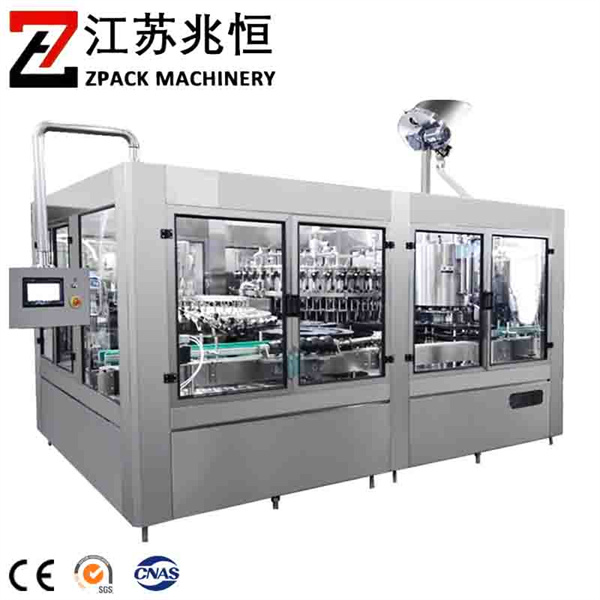
Quality evaluation of drinking water glass packing machines is critical for ensuring they meet industry standards and your operational needs. Start by examining the materials used in the machine’s construction. High-quality stainless steel is often preferred for its resistance to corrosion and ease of cleaning, which is particularly important in the food and beverage industry.
Next, review the certifications that the machine holds. Look for compliance with industry standards such as ISO and HACCP, which indicate that the machine meets safety and hygiene requirements. Additionally, inquire about the manufacturer’s quality control processes. A reputable manufacturer will have rigorous testing protocols in place to ensure consistent performance and reliability.
It’s also advisable to request sample machines or conduct on-site inspections. Observing the machine in action can provide insights into its operational efficiency and identify any potential issues before committing to a purchase.
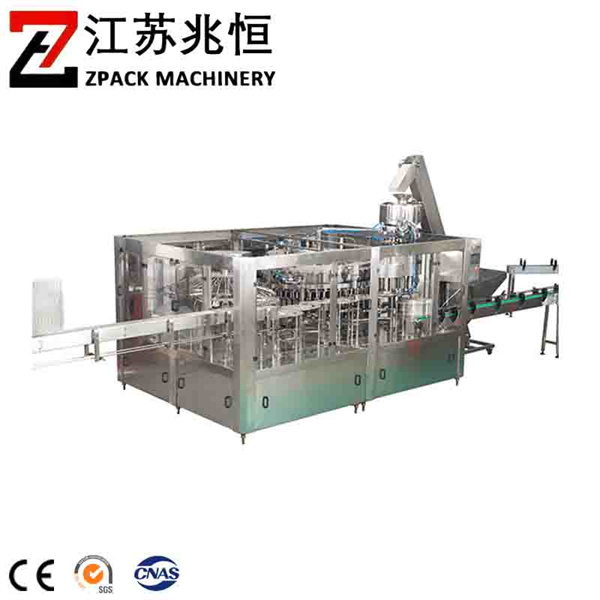
Common issues with drinking water glass packing machines can affect productivity and quality. One frequent problem is misalignment during the filling process, which can lead to spillage and waste. To address this, regular maintenance and calibration of the machine are crucial. Implementing a routine inspection schedule can help identify misalignment before it becomes a significant issue.
Another issue is the risk of breakage during handling. This can occur if the machine's speed is too high for the specific glass bottles being used. It is vital to adjust the machine settings according to the bottle type and ensure that the handling mechanisms are adequately cushioned.
Lastly, contamination can be a concern if the machine is not properly sanitized. Establishing a thorough cleaning protocol and training staff on hygiene practices can prevent contamination and ensure compliance with safety regulations.
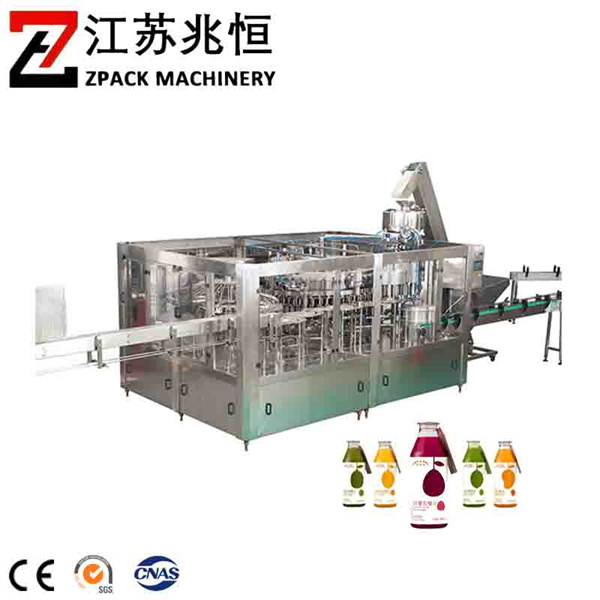
Drinking water glass packing machines are widely used across various industries, primarily in beverage production. They are suitable for packaging not only drinking water but also other beverages, such as juices and soft drinks, that require similar filling processes.
In the food service industry, glass packing machines are often employed for bottling water for restaurants and hotels, enhancing the product's perceived value due to the premium nature of glass packaging. Additionally, these machines are integral in bottled water companies that focus on sustainability and eco-friendly packaging, as glass is recyclable and has a lower environmental impact compared to plastic.
Furthermore, these machines can be equipped with features that allow for the filling of flavored or carbonated water, thus broadening their applications and making them versatile solutions for beverage manufacturers.
Specialized in the 5 gallon bottle blowing machine of new equipment and providing solutions to clients across the world As a nationally recognized high-tech firm we are able to boast a formidable scientific and technological research and development strength Our team of experts are comprised of industry leaders and innovators who are always exploring the frontiers of technology to design innovative solutions Our products and services will remain in the forefront of technology allowing our customers to enjoy a a competitive advantage
Unwavering commitment to quality that protects your equipment with every step of the way. We recognize that a product's capabilities don't end after the purchase. We provide a comprehensive after sale to ensure customer satisfaction. We create an after-sales guarantee team for each customer, ensuring timely and efficient service. When any issues arise our team will address the issue within two hours and offer an solution within eight hours. We also provide a longer 3 in 1 liquid filling machine time, and our maintenance staff is always on hand to help with technical issues.
Quality standards and stringent requirements are utilized in the manufacturing of equipment We can provide reasonable prices We pride 5 gallon bottle blowing machine on our ability to offer competitive prices without compromising on quality We eliminate middlemen and rely only on our physical manufacturing facility This avoids any unneeded price increases We can pass these savings to our customers and make sure they receive the best value
We provide competitive products as well as individualized custom-designed products The quality of our products is a top priority for us Our equipment undergoes extensive testing to ensure its flawless operation We utilize the most modern testing methods and follow strict standards of quality control in order to ensure our equipment is up to standards 3 in 1 liquid filling machine to delivering it to our clients
When comparing drinking water glass packing machines, several features should be considered to ensure the best fit for your requirements. Key specifications to compare include the filling speed, which determines how many bottles can be processed in a given time frame. Consider the range of bottle sizes the machine can accommodate, as flexibility can save costs if you plan to offer different products.
Another important feature is the machine's filling technology. Some machines utilize gravity filling, while others may use pressure or vacuum filling methods. Each method has its pros and cons, depending on the viscosity of the liquid and the level of precision required.
Additionally, examine the machine’s automation capabilities. Features such as automatic bottle sorting, capping, and labeling can significantly enhance efficiency and reduce labor costs. Lastly, consider the ease of maintenance and availability of replacement parts, as a machine that is easy to maintain will minimize downtime and keep production running smoothly.
By understanding these aspects, you can make an informed decision that will enhance your production capabilities and ensure the quality of your bottled products.
In summary, selecting the right drinking water glass packing machine requires careful consideration of your specific needs, a thorough evaluation of quality, awareness of common operational problems, and a clear understanding of the machine's applications and features. With the right information, B2B buyers can make purchasing decisions that lead to successful production outcomes.
 EN
 AR
 BG
 NL
 FR
 DE
 EL
 HI
 IT
 JA
 KO
 PT
 RU
 ES
 TL
 IW
 ID
 SR
 VI
 SQ
 TH
 TR
 FA
 AF
 MS
 SW
 BE
 BN
 EO
 HA
 KM
 LA
 MN
 ZU
 UZ
 AM
 KU
 SD
 XH