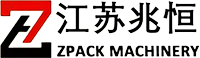
When sourcing a drinking water filling machine, B2B buyers need to consider various factors to ensure they choose the right equipment for their production needs. A drinking water filling machine is essential for automating the bottling process of purified or treated water, and it plays a crucial role in ensuring product quality and operational efficiency. This article will address key specifications to look for, how to compare different machines, common issues and solutions, installation guidance, and tips for wholesale purchasing.
When evaluating drinking water filling machines, several specifications need careful consideration to ensure optimal performance and compatibility with your production requirements. These specifications include:
Filling Capacity: The machine's filling capacity should match your production volume. Consider your daily output requirements and choose a machine that can handle peak production periods without interruptions.
Filling Speed: Look for machines with adjustable speeds to accommodate variations in bottle sizes and production demands. A machine that can efficiently switch between different speeds can enhance flexibility in your operations.
Bottle Compatibility: Ensure the machine can handle various bottle sizes and materials. This includes factors such as neck size, shape, and material type, as these can affect the filling process and overall efficiency.
Material Quality: The materials used in the construction of the filling machine should be corrosion-resistant and suitable for food-grade applications. Stainless steel is often preferred for its durability and ease of cleaning.
Automation Level: Consider whether you need a fully automatic or semi-automatic machine. Fully automatic machines usually require less manual intervention and can enhance productivity, while semi-automatic machines may be more cost-effective for smaller operations. For instance, the 15000BPH Automatic Mineral Pure Water Filling Machinery Water Bottle Filling Machine is a great option for those looking for efficiency.
Control System: A user-friendly control system with clear interfaces can simplify operation and maintenance. Look for machines with programmable settings for different bottle types and production runs.
Certifications: Ensure the equipment complies with relevant industry standards and certifications such as ISO, HACCP, or CE, which can help assure quality and safety in your production process.
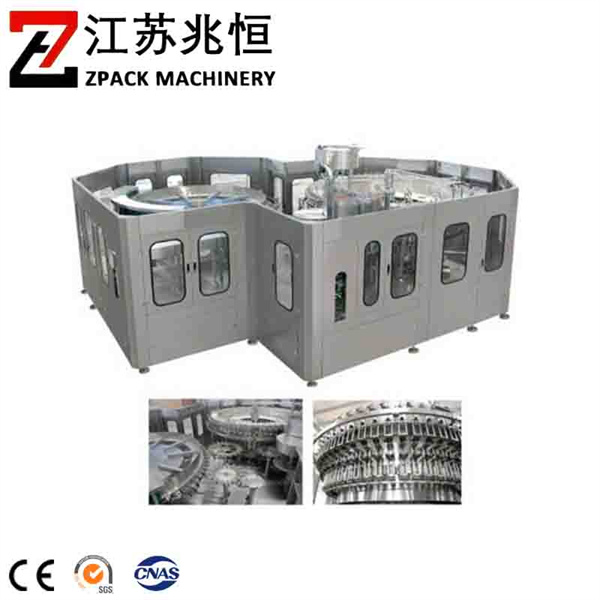
Comparing drinking water filling machines involves evaluating multiple factors that affect performance, cost, and suitability for your specific needs. Here are some steps to facilitate effective comparison:
Request Detailed Specifications: Obtain technical datasheets from manufacturers that detail machine specifications, including dimensions, weight, power consumption, and maintenance requirements. This information is crucial for evaluating compatibility with your existing setup.
Evaluate Performance Metrics: Look for performance metrics such as filling accuracy, downtime statistics, and maintenance frequency. Understanding these metrics can help you gauge reliability and operational efficiency.
Assess Customer Reviews and Case Studies: Research customer feedback and case studies related to the machines you are considering. This can provide insights into real-world performance and potential operational challenges.
Consider After-Sales Support: Assess the manufacturer's reputation for after-sales service, including installation, maintenance, and technical support. A responsive support team can significantly reduce downtime and enhance operational efficiency.
Cost of Ownership: Evaluate not just the initial purchase price but also the total cost of ownership, which includes maintenance, energy consumption, and potential downtime. This helps in understanding the long-term financial implications of your purchase.
Customization Options: Some manufacturers offer customization to meet specific operational needs. Confirm whether the machine can be modified to suit unique requirements, such as specific filling mechanisms or integration with existing production lines.
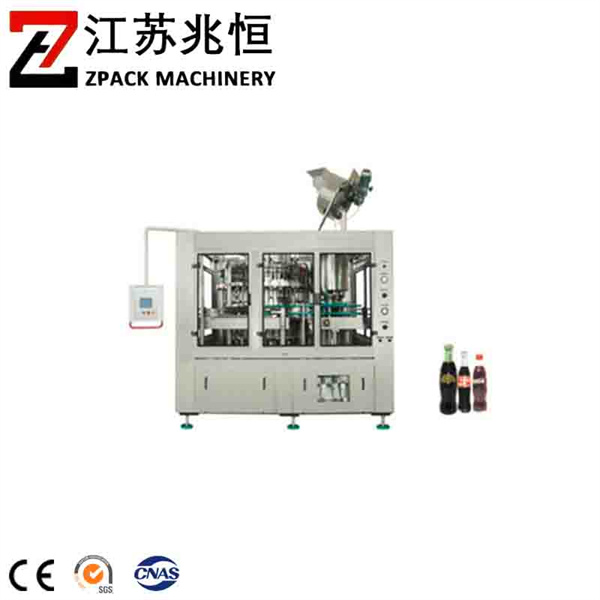
While drinking water filling machines are designed for efficiency, they can encounter several common issues. Understanding these problems and their solutions can help maintain smooth operations:
Inconsistent Filling Levels: This can occur due to miscalibrated sensors or mechanical wear. Regular calibration and maintenance checks can help ensure filling accuracy. Implementing a routine maintenance schedule can also minimize this issue.
Bottle Jam: Bottles may jam in the filling line due to improper alignment or buildup of debris. Regular cleaning and maintenance of the conveyor system and ensuring proper alignment of bottles can reduce the occurrence of jams.
Leakage: Leakage may arise from worn-out seals or improper installation. Regularly inspect seals and gaskets for wear and replace them as needed. Ensuring correct installation can also mitigate leakage.
Software Glitches: If the machine uses a digital control system, software bugs can lead to operational issues. Manufacturers should provide regular updates and technical support for troubleshooting software-related problems.
Power Supply Issues: Fluctuations in power supply can affect machine performance. Using voltage stabilizers and ensuring proper electrical connections can help mitigate power-related issues.
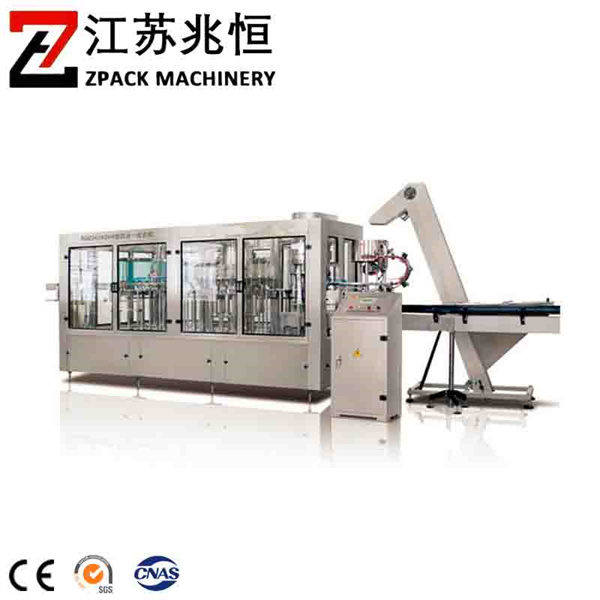
Proper installation of your drinking water filling machine is crucial for optimal performance. Here are some essential steps to follow:
Site Preparation: Ensure that the installation site is clean, well-ventilated, and meets the required space specifications outlined by the manufacturer. Clear any obstructions and check that the floor can support the machine’s weight.
Electrical and Water Connections: Verify that the necessary electrical connections are in place according to the machine's requirements. Similarly, ensure that water supply lines are properly installed and meet quality standards.
Professional Installation: Consider hiring trained technicians for installation to ensure compliance with best practices. Proper installation can prevent future operational issues and ensure the machine functions as intended.
Testing Before Production: After installation, conduct thorough testing of the machine to ensure it operates correctly. This includes checking for synchronization with other equipment and confirming that all safety protocols are in place.
Training for Operators: Provide comprehensive training for machine operators to ensure they understand the machine's functions and safety features. This can significantly reduce the risk of operational errors.
We are very proud of our capability to provide competitive prices without compromising quality We eliminate Auto blowing machine and rely solely on our physical factory This prevents any unnecessary price increases This lets us transfer the savings directly to our customers making sure that they get the best value for their money
Specialized in the 5 gallon bottle blowing machine of new equipment and providing solutions to clients across the world As a nationally recognized high-tech firm we are able to boast a formidable scientific and technological research and development strength Our team of experts are comprised of industry leaders and innovators who are always exploring the frontiers of technology to design innovative solutions Our products and services will remain in the forefront of technology allowing our customers to enjoy a a competitive advantage
We offer affordable products and customized, personalized products. We place great importance on the quality of our products. When our equipment is finished It is tested 5 gallon bottle blowing machine in sufficient quantities to ensure that it is operating at its best. We adhere to stringent quality control guidelines and use modern testing methods to ensure that every piece of equipment is in line with our high standards before it is shipped to our clients.
We offer lifetime support after sales service and a commitment to high-quality. This will ensure the safety of your Auto blowing machine from damage at all stages. We provide a comprehensive after sale to ensure customer satisfaction. Each customer receives a dedicated group of after-sales guarantees to ensure rapid and prompt service. In the event of any problems the team will be able to respond within two hours and offer an solution within eight hours. We also offer a longer warranty period, and our maintenance team will be available to assist with technical issues.
When purchasing drinking water filling machines in bulk, several considerations can help streamline the process and ensure you get the best value:
Volume Discounts: Inquire about volume discounts or special pricing for bulk purchases. Manufacturers often offer reduced prices for larger orders, which can significantly lower your overall costs.
Lead Times: Confirm lead times for production and delivery. Understanding the timeline can help you plan your production schedule accordingly and avoid potential delays.
Payment Terms: Discuss payment terms upfront. Flexible financing options or installment plans can help manage cash flow, especially for larger purchases.
Sample Approval: Before finalizing a bulk order, request a sample to evaluate performance and compatibility. Testing a sample under actual operational conditions can help identify any potential issues before mass production.
Warranty and Service Agreements: Ensure that the purchase includes a comprehensive warranty and service agreement. This provides peace of mind regarding maintenance and potential repairs post-purchase.
By considering these factors and following the guidelines provided, B2B buyers can make informed decisions when sourcing drinking water filling machines, ensuring they invest in equipment that meets their operational needs while maintaining efficiency and quality.
 EN
 AR
 BG
 NL
 FR
 DE
 EL
 HI
 IT
 JA
 KO
 PT
 RU
 ES
 TL
 IW
 ID
 SR
 VI
 SQ
 TH
 TR
 FA
 AF
 MS
 SW
 BE
 BN
 EO
 HA
 KM
 LA
 MN
 ZU
 UZ
 AM
 KU
 SD
 XH