Automatic mineral water bottle filling machines are essential for beverage manufacturers looking to streamline their production processes. These machines efficiently fill bottles with mineral water, ensuring accuracy and speed while minimizing wastage. For B2B buyers, key concerns typically include specifications, pricing, and installation processes. This article aims to provide a comprehensive understanding of automatic mineral water bottle filling machines, covering key specifications, cost factors, sourcing options, installation guidance, and common problems with their solutions.
When selecting an automatic mineral water bottle filling machine, understanding its key specifications is critical. These machines vary in capacity, speed, and technology, impacting their suitability for different production scales. For instance, a machine capable of filling 12,000 bottles per hour would be ideal for a high-demand environment. If you're interested in exploring options, consider looking into a Palletizer for efficient packaging solutions.
Filling Capacity: This refers to the number of bottles that can be filled per hour. Machines can range from low-capacity units suitable for small businesses to high-capacity systems designed for large-scale operations. For instance, a machine capable of filling 12,000 bottles per hour would be ideal for a high-demand environment.
Filling Method: There are several filling methods, including gravity, pressure, and vacuum filling. Each method has its advantages based on the viscosity of the liquid and bottle design. Gravity filling is common for water, while pressure filling is often utilized for carbonated beverages.
Material Construction: The machine's components, particularly those in contact with the water, should be made of food-grade stainless steel to ensure safety and durability. Stainless steel also facilitates easier cleaning and maintenance.
Automation Level: Fully automatic machines reduce labor costs and human error, while semi-automatic machines may require manual intervention. Buyers should assess their production needs to determine the level of automation that suits them.
Control System: Modern machines often feature PLC (Programmable Logic Controller) systems that enhance precision and control over the filling process. This technology can help monitor and adjust parameters in real-time, ensuring consistent quality.
Dimensions and Footprint: Consider the machine’s size and design to ensure it fits within your facility’s layout. A compact design may be essential for smaller operations, while larger facilities might accommodate bigger machines.
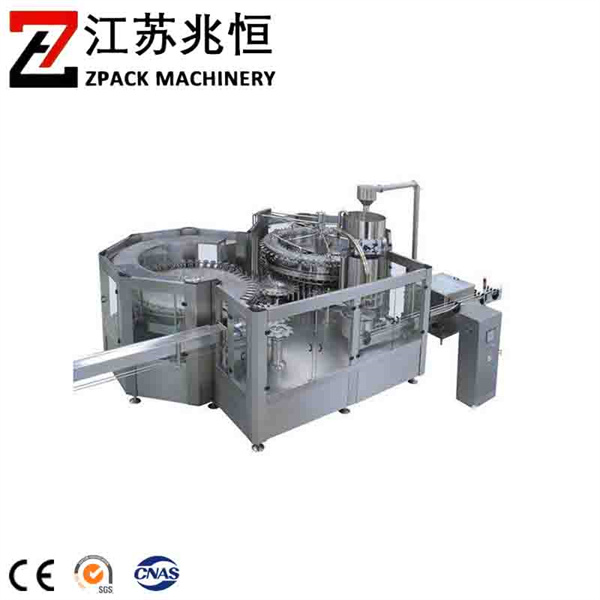
Pricing for automatic mineral water bottle filling machines can vary widely based on several factors:
Machine Specifications: As mentioned, the capacity, filling method, and automation level significantly influence the price. Higher-capacity and fully automatic machines tend to cost more.
Customization Requirements: If specific features or customizations are required, such as unique filling nozzles or specialized automation, this can increase costs. Buyers should clearly define their needs to receive accurate quotes. Additionally, if you're considering expanding into other areas, check out the Packaging Machine options.
Supplier Reputation: Established manufacturers with a proven track record may charge a premium for their machines due to their reliability and after-sales support. It's essential to balance cost against quality and service.
Material Quality: The choice of materials can also impact pricing. Higher-quality, food-grade materials will cost more but are necessary for compliance with health and safety standards.
Market Trends: Supply chain issues, raw material prices, and market demand can affect pricing. Understanding current market conditions can help buyers anticipate potential price fluctuations.
Shipping and Installation: Costs related to shipping and installation should also be considered. Buyers should inquire about these additional expenses when budgeting for a new machine.
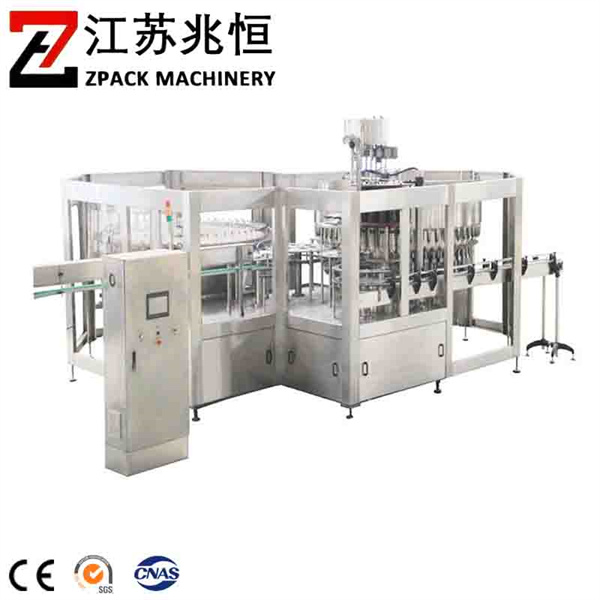
Finding a reliable supplier for bulk orders of automatic mineral water bottle filling machines is crucial for any B2B buyer. Here are some strategies to locate suitable manufacturers:
Directly from Manufacturers: Companies like ZPACK Machinery offer direct-from-factory pricing, which can be more competitive than purchasing through distributors. Engaging directly with manufacturers can also facilitate customization discussions.
Trade Shows and Exhibitions: Attending industry-specific trade shows can provide opportunities to meet multiple suppliers, compare products, and discuss specifications. Exhibitions often showcase the latest technology and innovations in beverage filling.
Online Marketplaces: Platforms like Alibaba or Made-in-China can connect buyers with numerous manufacturers. However, it’s essential to vet suppliers thoroughly by checking reviews and requesting samples before placing bulk orders.
Industry Associations: Joining industry associations can provide connections to reputable suppliers and manufacturers. These organizations often have directories of members and can offer recommendations.
Networking: Engaging with peers in the beverage industry can yield valuable recommendations for suppliers. Networking can lead to insights about the best machines and reliable manufacturers.
Request for Quotations (RFQs): When approaching suppliers, prepare a detailed RFQ that outlines your requirements, including specifications, expected capacity, and customization needs. This clarity helps suppliers provide accurate quotations.
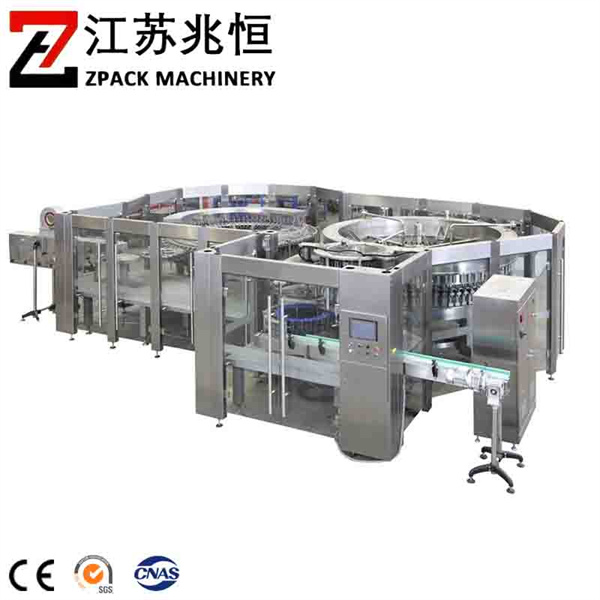
Proper installation is critical to ensuring the optimal performance of an automatic mineral water bottle filling machine. Here are key considerations and steps for a successful installation:
Site Preparation: Ensure that the installation site is properly prepared, with adequate space, power supply, and plumbing connections. The area should be clean and free from any obstructions to facilitate a smooth installation process.
Professional Installation: While some suppliers may offer installation services, others may require the buyer to handle it. Engaging trained professionals familiar with the specific machine model can help avoid installation issues that could lead to operational inefficiencies.
Calibration and Testing: After installation, it is crucial to calibrate the machine according to the manufacturer's guidelines. Conduct thorough testing to confirm that the filling accuracy and speed meet production requirements.
Training Staff: Ensure that operators are trained on the machine’s features, operation, and maintenance. Proper training can minimize operational errors and enhance productivity.
Maintenance Plan: Establish a routine maintenance schedule to keep the machine in optimal condition. Regular checks on components, cleaning, and timely replacement of worn parts can extend the machine's lifespan.
We offer affordable products and customized, personalized products. We place great importance on the quality of our products. When our equipment is finished It is tested 5 gallon bottle blowing machine in sufficient quantities to ensure that it is operating at its best. We adhere to stringent quality control guidelines and use modern testing methods to ensure that every piece of equipment is in line with our high standards before it is shipped to our clients.
5 gallon water bottle filling machine in the development of cutting-edge equipment and offering solutions to clients across the world We are a high-tech firm that is nationally recognized Our capabilities in research and development are unbeatable Our team of experts are comprised of leaders in the industry and innovators who are constantly challenging the limits of technology to create innovative solutions Our products and services stay ahead of technological advances thereby providing our customers with an competitive edge
Quality standards and stringent requirements are utilized in the manufacturing of equipment We can provide reasonable prices We pride 5 gallon water refill machine on our ability to offer competitive prices without compromising on quality We eliminate middlemen and rely only on our physical manufacturing facility This avoids any unneeded price increases We can pass these savings to our customers and make sure they receive the best value
We offer lifetime support after sales service and a pledge to quality. This will protect your equipment at every stage. We offer complete support following sales to ensure our customers satisfaction. Each customer is assigned a dedicated group of after-sales promises to ensure rapid and prompt service. When any issues arise, our team will respond within two hours and suggest an answer within 8 hours. We also offer an extended warranty and our 5 gallon water refill machine maintenance personnel are always on standby to provide technical support and assistance.
Despite their efficiency, automatic mineral water bottle filling machines can encounter problems. Here are some common issues and practical solutions:
Filling Inaccuracies: Fluctuations in filling levels can occur due to improper calibration or wear in filling nozzles. Regular calibration checks and nozzle maintenance can help ensure consistent fill levels.
Bottle Misalignment: Bottles may become misaligned during the filling process if the conveyor system is not properly adjusted. Regularly inspect and adjust the conveyor system to maintain proper alignment.
Leaks and Spills: Leaks can occur from faulty seals or connections. Regular inspection and replacement of worn seals can prevent leaks. Additionally, ensuring that all connections are secure during installation is crucial.
Software Glitches: Automated systems may experience software-related issues that can halt production. Keeping the software updated and having a troubleshooting guide can help quickly resolve these glitches.
Clogged Nozzles: Clogs can occur due to debris in the water or improper cleaning. Implementing a strict cleaning protocol can minimize this issue, ensuring smooth operations.
Downtime Due to Maintenance: Unexpected breakdowns can lead to downtime. Establishing a preventive maintenance schedule can help identify potential issues before they result in machine failure.
By understanding these specifications, cost factors, sourcing options, installation guidance, and common challenges, B2B buyers can make informed decisions when selecting automatic mineral water bottle filling machines.
 EN
 AR
 BG
 NL
 FR
 DE
 EL
 HI
 IT
 JA
 KO
 PT
 RU
 ES
 TL
 IW
 ID
 SR
 VI
 SQ
 TH
 TR
 FA
 AF
 MS
 SW
 BE
 BN
 EO
 HA
 KM
 LA
 MN
 ZU
 UZ
 AM
 KU
 SD
 XH