Automatic bottle washing, filling, and capping machines are essential components in the beverage production process, ensuring that bottles are thoroughly cleaned, filled with product, and sealed for distribution. For B2B buyers in the beverage industry, key considerations include efficiency, reliability, and compatibility with existing production lines. This article will delve into critical factors to consider when selecting an automatic bottle washing, filling, and capping machine, common issues that may arise, installation guidelines, and the various applications of these machines in beverage manufacturing.
When selecting an automatic bottle washing machine, buyers should evaluate several important factors to ensure compatibility with their production needs. First, consider the machine's washing capacity, which should match your production volume. This is typically measured in bottles per hour and should align with your overall production speed to avoid bottlenecks.
Next, assess the washing technology employed by the machine. Options include spray washing, immersion washing, and ultrasonic cleaning. Each method has its advantages, such as effectiveness in removing residue or compatibility with specific bottle materials. For instance, ultrasonic cleaning is highly effective for complex bottle shapes but may require additional investment.
Material compatibility is another critical factor. The washing machine should be designed to handle the types of bottles used in your production, whether glass or plastic, and any potential chemical exposure from cleaning agents. Buyers should also confirm the machine's compliance with relevant industry standards and regulations to ensure safety and performance.
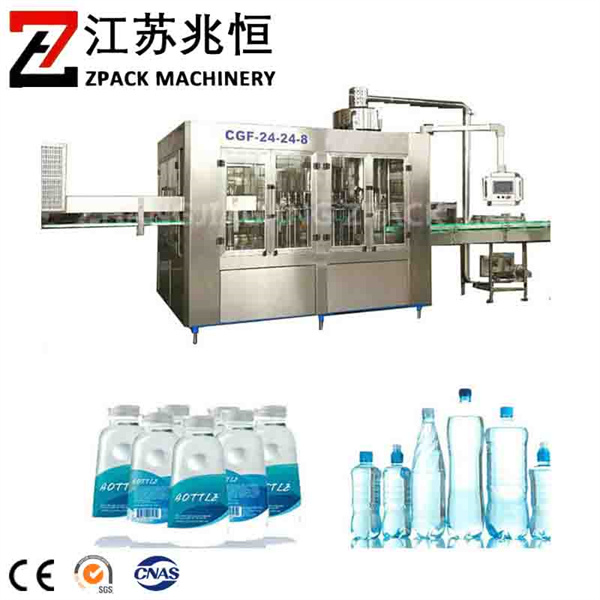
Reliable bottle filling solutions are vital for maintaining product quality and minimizing waste. When evaluating filling machines, one must consider the filling method, which can be gravity, pressure, or vacuum-based. Each method has distinct advantages depending on the viscosity of the liquid being filled. For example, thicker liquids may require a pressure filling system to ensure consistent filling levels.
Filling accuracy is another critical aspect to assess. Different machines may offer varying filling specifications, which can impact product integrity and customer satisfaction. Buyers should request documentation on the machine's filling accuracy and consider testing samples to verify performance before committing to a purchase.
Additionally, the machine's ability to handle different bottle sizes and shapes can enhance production flexibility. Buyers should inquire about adjustable features that allow for quick changeovers between different bottle types to optimize efficiency and reduce downtime.
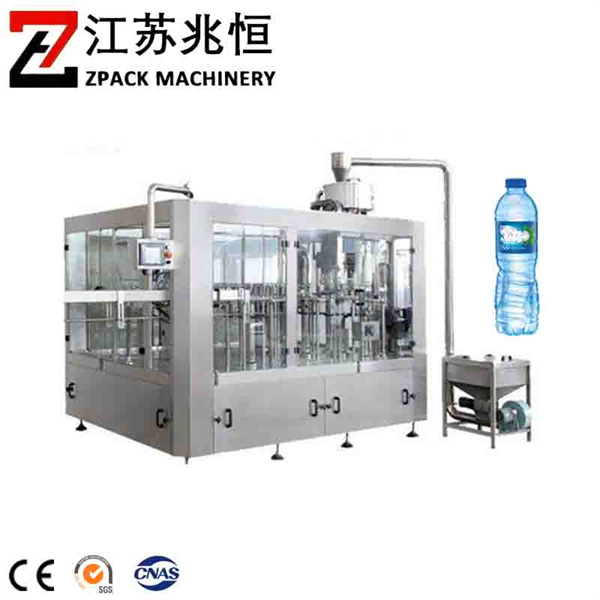
Bottle filling machines can face various challenges that impact production efficiency. One common issue is inconsistent filling levels, which may arise from worn-out components or improper calibration. Regular maintenance and calibration checks are essential to mitigate this problem. It’s advisable to establish a routine inspection schedule to ensure all parts are functioning correctly.
Another frequent concern is contamination during the filling process. This can occur due to inadequate cleaning of the machine or poor handling practices. Implementing strict sanitation protocols and ensuring that all parts in contact with the product are regularly cleaned can help prevent contamination.
Leakage is also a significant issue that can lead to product loss and increased costs. Buyers should ensure that seals and gaskets are in good condition and suitable for the liquids being filled. Investing in high-quality components can reduce the likelihood of leaks and enhance overall machine reliability.
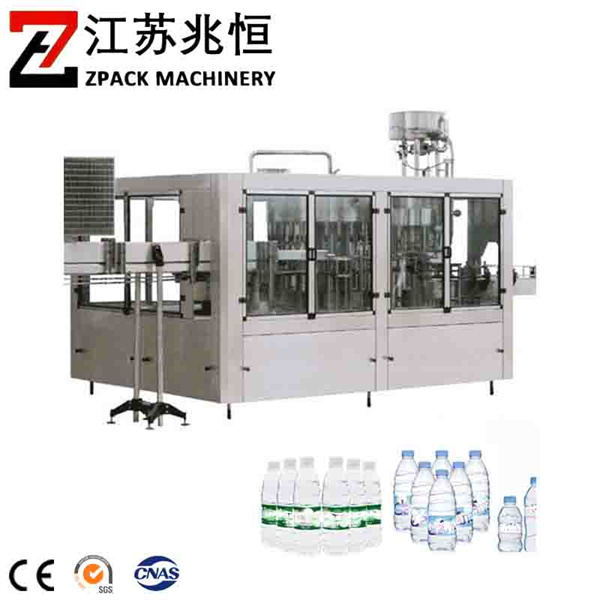
Proper installation of automatic bottle washing and filling systems is crucial for optimal performance. Buyers should carefully review the manufacturer's installation instructions and ensure that the machine is set up in a clean, dry environment with adequate space for maintenance access.
It is essential to check the compatibility of the machine with existing infrastructure. This includes verifying that electrical, plumbing, and compressed air requirements are met. Buyers should consult with engineers or technicians to confirm that all connections are correctly made and that the machine is securely anchored to prevent vibrations during operation.
Additionally, training for operators is vital for ensuring that the machine is used correctly and maintained properly. Manufacturers often provide training sessions as part of the purchase agreement; utilizing these sessions can help mitigate operational errors and improve overall efficiency.
We offer life-long after-sales service and a guarantee of quality. This will protect your equipment at every stage. This is why we provide a apple juice filling and sealing machine filling after-sales service to ensure our customers their satisfaction. We establish a dedicated after-sales guarantee group for each customer, ensuring timely and efficient service. Our team is available to respond within two hours, and provide an answer within eight hours if any problems arise. We also provide an extended warranty, and our highly skilled maintenance staff is always available to provide technical assistance and assistance.
We offer affordable products and customized, personalized products. We place great importance on the quality of our products. When our equipment is finished It is tested apple juice filling and sealing machine filling in sufficient quantities to ensure that it is operating at its best. We adhere to stringent quality control guidelines and use modern testing methods to ensure that every piece of equipment is in line with our high standards before it is shipped to our clients.
5 gallon water bottle filling machine in the development of cutting-edge equipment and offering solutions to clients across the world We are a high-tech firm that is nationally recognized Our capabilities in research and development are unbeatable Our team of experts are comprised of leaders in the industry and innovators who are constantly challenging the limits of technology to create innovative solutions Our products and services stay ahead of technological advances thereby providing our customers with an competitive edge
We are very proud of our capability to provide competitive prices without compromising quality We eliminate 3 in 1 liquid filling machine and rely solely on our physical factory This prevents any unnecessary price increases This lets us transfer the savings directly to our customers making sure that they get the best value for their money
Automatic bottle machines play a crucial role in various beverage manufacturing processes, including water, soft drinks, juices, and alcoholic beverages. Their versatility allows them to handle a wide range of bottle types and capacities, which is essential for manufacturers with diverse product lines.
In the water bottling sector, these machines ensure that bottles are sanitized and filled quickly to maintain freshness and prevent contamination. For juice and soft drink manufacturers, the ability to fill carbonated beverages accurately without excessive foaming is critical. Advanced filling technologies can address these challenges, ensuring that products maintain their quality throughout the filling process.
In the alcoholic beverage industry, precise filling and capping are essential to comply with regulatory standards and ensure product integrity. Automatic machines can streamline these processes, reducing labor costs and increasing throughput, which is vital for meeting market demands.
Overall, understanding the specific applications and requirements of automatic bottle washing, filling, and capping machines can help buyers make informed decisions that enhance their production efficiency and product quality.
 EN
 AR
 BG
 NL
 FR
 DE
 EL
 HI
 IT
 JA
 KO
 PT
 RU
 ES
 TL
 IW
 ID
 SR
 VI
 SQ
 TH
 TR
 FA
 AF
 MS
 SW
 BE
 BN
 EO
 HA
 KM
 LA
 MN
 ZU
 UZ
 AM
 KU
 SD
 XH