An automatic bottle filling system is a crucial component in the beverage manufacturing industry, designed to enhance efficiency and accuracy in the filling process. As a purchasing manager or distributor, you may have concerns about the suitability, cost, and reliability of these systems. This article will guide you through essential considerations for selecting the right automatic bottle filling system, purchasing strategies, cost factors, common issues, and application scenarios across various industries.
Selecting an automatic bottle filling system starts with understanding your specific requirements. Consider the following factors:
Bottle Types and Sizes: Different filling systems cater to various bottle shapes and sizes. Ensure the system can handle your product's specific dimensions and weight.
Filling Method: Evaluate the filling method that best suits your product. Options include gravity, pressure, vacuum, and piston filling. Each method has its advantages depending on the viscosity and carbonation level of the beverage.
Production Capacity: Analyze your production needs, including the expected output volume. An automated system should have a filling rate that aligns with your production schedule to minimize bottlenecks.
Customization Options: Some systems offer customization in terms of features, such as automatic capping, labeling, and packaging integration. Choose a system that can adapt to your future needs, such as a Packaging Machine.
Quality Control: Look for systems equipped with sensors and monitoring capabilities to ensure consistent fill levels and minimize waste.
Regulatory Compliance: Ensure the system meets industry regulations and standards for food safety and quality assurance.
Understanding these factors will help you make an informed decision that aligns with your operational needs.
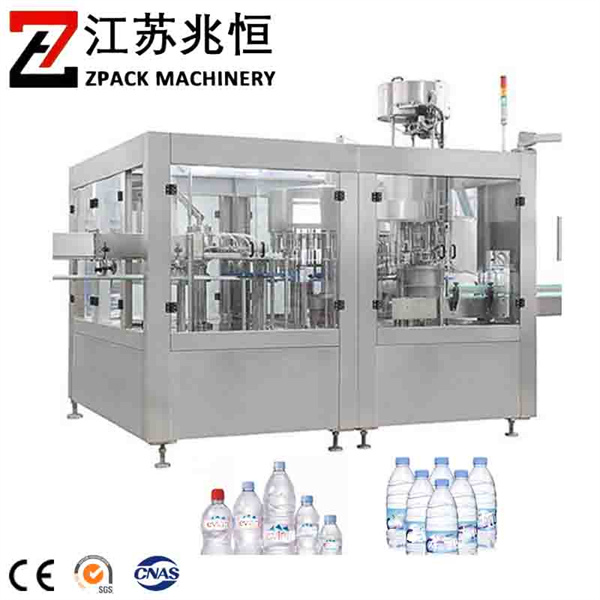
When purchasing an automatic bottle filling system in bulk, consider these steps to ensure efficiency and cost-effectiveness:
Research Manufacturers: Identify reputable manufacturers with experience in beverage filling solutions. ZPACK Machinery, with over 10 years in the industry, exemplifies a manufacturer known for high-quality products and competitive pricing.
Request Quotations: Provide potential suppliers with detailed specifications to receive accurate quotes. Information should include the type of beverage, bottle sizes, and expected production volumes.
Compare Offers: Evaluate quotations based on price, lead time, warranty, and after-sales support. Look for manufacturers who offer comprehensive solutions, from water treatment to packaging.
Assess Payment Terms: Understand the payment terms, including deposit requirements and financing options. Favorable terms can enhance cash flow during the initial purchase.
Negotiate Bulk Discounts: Leverage your order volume to negotiate better pricing. Manufacturers may offer discounts for larger orders or long-term contracts.
Sample Approval: Before finalizing your order, request a sample to ensure the system meets your performance expectations. Testing under actual operating conditions can help identify any potential issues.
By following this guide, you can streamline the purchasing process and maximize value for your investment.
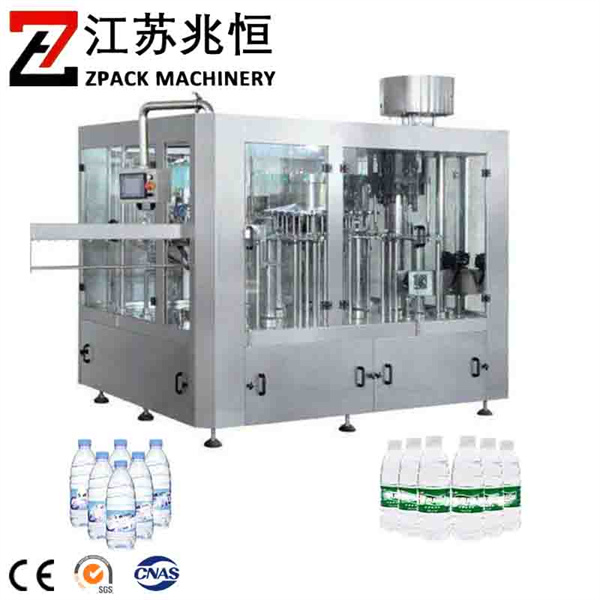
When considering the cost of an automatic bottle filling system, several factors come into play:
Equipment Type: The complexity of the filling system impacts the price. For instance, basic gravity fillers are typically less expensive than high-speed, fully automated systems.
Customization Levels: Custom features, such as advanced sensors, automation levels, and integration with existing production lines, can increase costs. Assess which features are essential versus optional.
Production Capacity: Systems designed for higher output rates generally come at a premium. Ensure the chosen system matches your production goals to avoid overpaying for unnecessary capacity.
Material Quality: The materials used in constructing the filling system affect both durability and price. Stainless steel, for example, is often preferred for its corrosion resistance, but it may also be more costly.
Installation and Training: Factor in costs associated with installation and operator training. Proper training is crucial for maintaining efficiency and safety.
Maintenance and Parts: Consider ongoing maintenance costs and the availability of replacement parts. Systems with readily available parts can reduce downtime and repair costs.
By understanding these cost factors, you can budget more effectively and ensure a solid return on investment for your filling system.
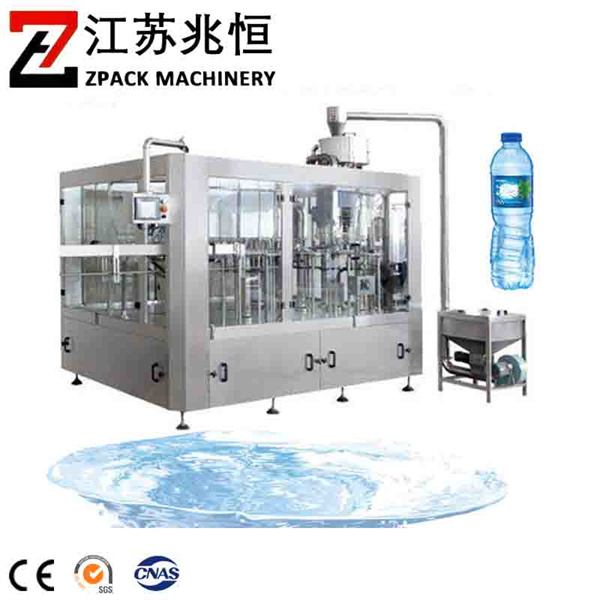
While automatic bottle filling systems enhance efficiency, they can encounter common issues. Here are some potential problems and their solutions:
Inconsistent Fill Levels: Variations in fill levels can result from clogged nozzles or incorrect settings. Regular maintenance and calibration can help ensure consistent fill accuracy.
Leakage: Leaks can occur due to worn seals or improper installation. Regular inspections and timely replacement of seals can mitigate this issue.
Product Foaming: Foaming during filling can lead to overflow and product loss. Adjusting filling speeds and using anti-foaming agents can help control this.
System Downtime: Unexpected downtime can disrupt production. Implementing a preventive maintenance schedule and having spare parts on hand can minimize disruptions.
Compatibility Issues: Equipment may not function correctly with certain bottle types or materials. Testing the system with actual products before full-scale operation can identify compatibility challenges.
Addressing these common issues proactively can enhance the performance and longevity of your automatic bottle filling system.
Lifetime after-sales service and unwavering commitment to quality that protects your equipment at each step of the way. We know that a product's capabilities don't end with its purchase. We offer a full range of support following sales to ensure our customers satisfaction. We create an exclusive after-sales support group to each customer, guaranteeing prompt and efficient service. If any issues arise we will reply within 5 gallon water filling machine and provide solutions within 8 hours. We also provide a longer warranty period, and our support staff is always available to assist with technical issues.
We offer low-cost products as well as customized, personalized products. We place a premium on quality. Our equipment undergoes extensive testing to ensure its smooth operation. We use the latest Active carbon filter methods and adhere to the highest standards of quality control to make sure our equipment meets standards before delivering it to our clients.
We are very proud of our capability to provide competitive prices without compromising quality We eliminate Auto blowing machine and rely solely on our physical factory This prevents any unnecessary price increases This lets us transfer the savings directly to our customers making sure that they get the best value for their money
Specialized in the 5 gallon water bottling machine of new equipment and providing solutions to clients across the world As a nationally recognized high-tech firm we are able to boast a formidable scientific and technological research and development strength Our team of experts are comprised of industry leaders and innovators who are always exploring the frontiers of technology to design innovative solutions Our products and services will remain in the forefront of technology allowing our customers to enjoy a a competitive advantage
Automatic bottle filling systems find applications across multiple industries, each with unique requirements:
Beverage Industry: From soft drinks to alcoholic beverages, these systems ensure precise filling, capping, and labeling, crucial for maintaining product integrity and brand consistency.
Pharmaceuticals: In this sector, filling systems must adhere to strict hygiene and regulatory standards. Systems designed for sterile environments are essential to prevent contamination.
Cosmetics and Personal Care: Automatic filling systems for lotions, creams, and serums require precise filling to prevent waste and ensure product quality. Customization options for different bottle shapes are also beneficial.
Food Industry: Systems that can handle a variety of liquid viscosities are essential in food production. Ensuring compliance with food safety regulations is critical in this sector.
Household Products: Filling systems for cleaning agents and detergents must be robust to handle corrosive materials while maintaining efficiency and safety.
Understanding the application scenarios for automatic bottle filling systems can help you select the most suitable solution for your specific industry needs. Each industry may require unique configurations, and ZPACK Machinery can provide tailored solutions based on years of manufacturing expertise, including options like Glass Bottle Filling Machine.
By considering these factors, you can make informed decisions that will enhance productivity and efficiency in your operations.
 EN
 AR
 BG
 NL
 FR
 DE
 EL
 HI
 IT
 JA
 KO
 PT
 RU
 ES
 TL
 IW
 ID
 SR
 VI
 SQ
 TH
 TR
 FA
 AF
 MS
 SW
 BE
 BN
 EO
 HA
 KM
 LA
 MN
 ZU
 UZ
 AM
 KU
 SD
 XH