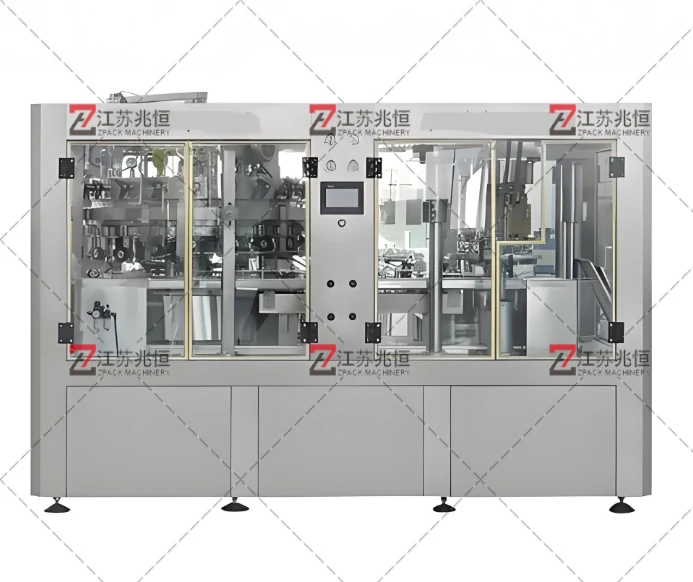
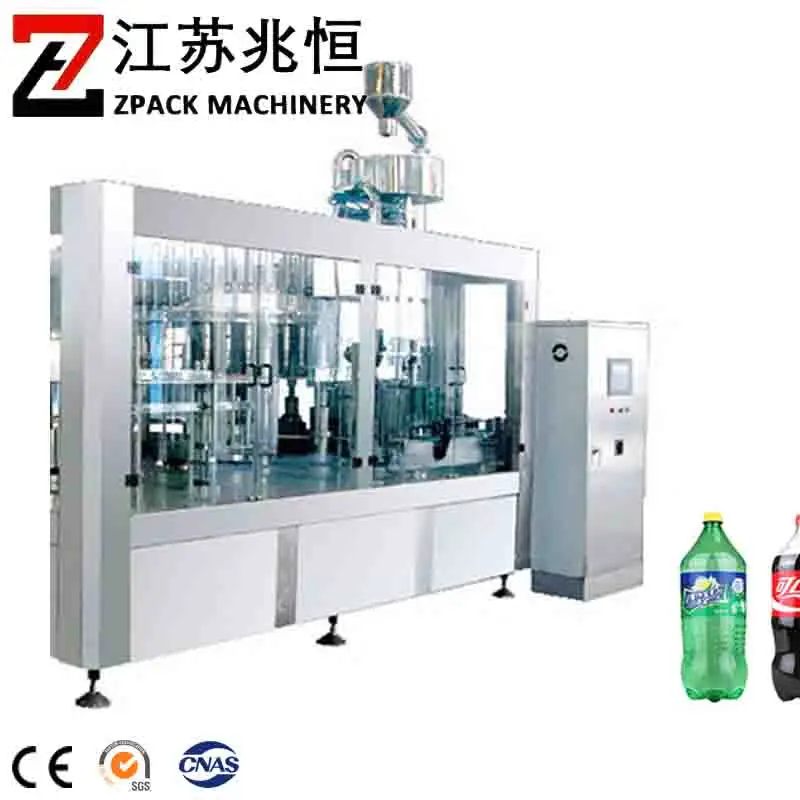
A water glass filling machine is a critical piece of equipment in the beverage manufacturing industry, designed to efficiently fill glass containers with water or other liquids while maintaining quality and hygiene standards. For B2B buyers, key concerns include machine performance, reliability, compatibility with existing systems, and total cost of ownership. This article will provide in-depth insights into water glass filling machine specifications, selection guidelines, cost considerations, and common operational issues, helping buyers make informed purchasing decisions.
When evaluating water glass filling machines, understanding the technical specifications is essential. Key specifications include:
Filling Capacity: This refers to the maximum volume of liquid the machine can fill per hour. It is crucial to match this with your production requirements to avoid bottlenecks.
Filling Accuracy: Measured in milliliters, this indicates how precisely the machine fills each container. High accuracy reduces waste and ensures product consistency.
Material Construction: Machines are typically made from stainless steel to withstand cleaning processes and prevent contamination. Buyers should consider whether the materials meet industry standards for food safety.
Control System: Modern machines often include advanced control systems that allow for precise adjustments in filling speeds and volumes. Automation capabilities can improve efficiency and reduce labor costs.
Dimensions and Footprint: Knowing the space available in your facility will help ensure the machine fits without disrupting workflow.
Buyers should evaluate these specifications carefully to ensure the chosen machine meets operational and regulatory requirements.
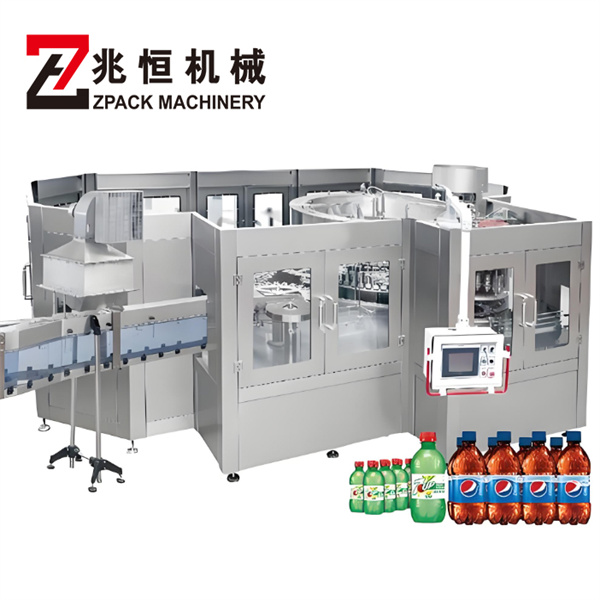
Selecting the right water glass filling machine involves several practical considerations:
Production Volume: Calculate your daily production needs. A carbonated water filling machine with a higher filling capacity may be necessary for larger operations, while smaller volumes may require a more compact model.
Customization Requirements: If your product range varies in size or shape, consider machines that offer adjustable settings for different container dimensions. Customization can also extend to features like labeling and secondary packaging.
Hygienic Design: Since beverage filling must meet strict hygiene standards, look for machines designed for easy cleaning and maintenance. Features such as removable parts and smooth surfaces can facilitate this.
Energy Efficiency: Assess the energy consumption of the machine. Energy-efficient models can reduce long-term operational costs, contributing to a lower total cost of ownership.
Supplier Reputation: Choose a manufacturer with a proven track record in the industry. ZPACK Machinery, for example, has over 10 years of experience in providing beverage filling production lines, ensuring a reliable choice.
By addressing these factors, buyers can ensure they choose a machine that aligns with their operational goals and budget.
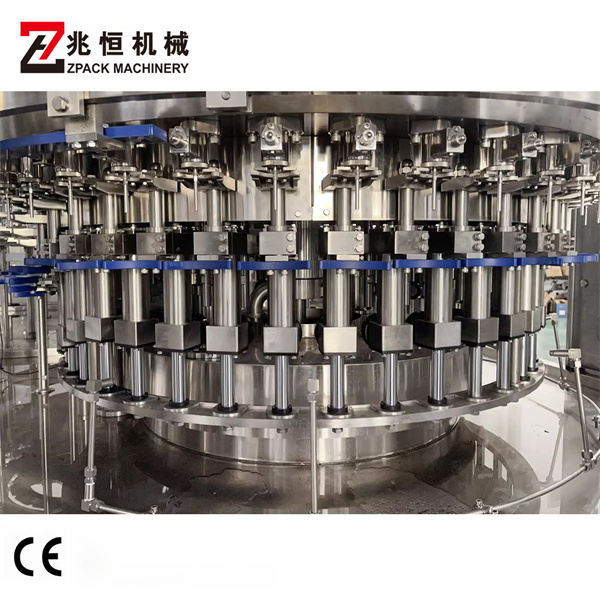
When preparing to purchase a water glass filling machine, follow these steps:
Define Your Needs: Outline your production capacity, container specifications, and any special requirements, such as filling temperature or liquid type.
Research Suppliers: Investigate potential suppliers, looking for those with relevant industry experience and a strong reputation for quality and service.
Request Quotations: Provide detailed specifications when requesting quotes. Include your production volume, required features, and any customization needs to ensure accurate pricing.
Evaluate Samples: Before finalizing a purchase, request a sample to test the machine's performance. Check filling accuracy, speed, and ease of use.
Consider After-Sales Support: Evaluate the level of customer support offered, including installation, training, and maintenance services. A manufacturer like ZPACK Machinery provides ongoing support to ensure smooth operations.
Following this structured approach will help streamline the purchasing process and improve the likelihood of a successful investment.
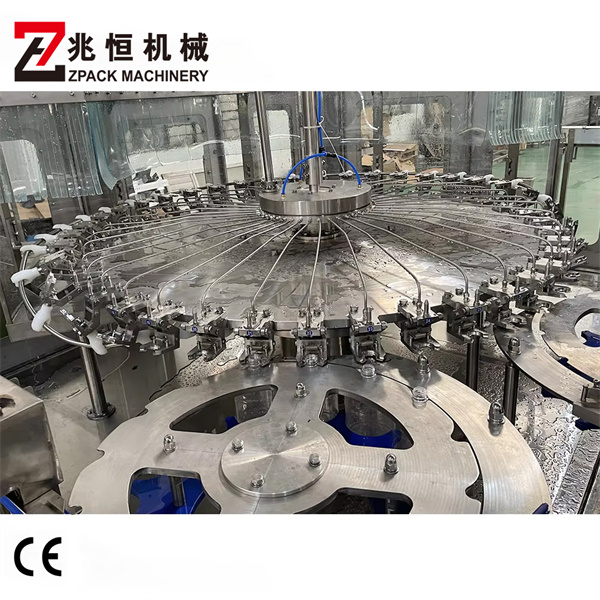
The total cost of purchasing a water glass filling machine extends beyond the initial price. Factors to consider include:
Purchase Price: The upfront cost is often the primary consideration, but ensure it reflects the machine's capabilities and quality.
Installation Costs: Depending on the automatic juice filling machine complexity, installation may require specialized labor, adding to the overall expense.
Maintenance and Repair: Factor in ongoing maintenance costs. Machines that are easier to service may incur lower long-term costs.
Operational Costs: Consider energy consumption and water usage. Machines designed for efficiency can significantly reduce these ongoing costs.
Warranty and Support: A robust warranty can protect against unexpected failures and costs. Evaluate the terms of warranty and the availability of replacement parts.
Understanding these cost components will help buyers make a more informed decision and avoid unexpected financial burdens.
High standards and 5 gallon filling machine requirements are incorporated into the design and production of equipment We can offer an affordable prices We are proud of our ability to offer competitive prices without compromising on the quality We eliminate middlemen by relying only on our physical manufacturing facility This eliminates unnecessary price hikes We are able to pass savings onto our customers and make sure they receive the most value
We offer lifetime support after sales service and a commitment to high-quality. This will ensure the safety of your Auto blowing machine from damage at all stages. We provide a comprehensive after sale to ensure customer satisfaction. Each customer receives a dedicated group of after-sales guarantees to ensure rapid and prompt service. In the event of any problems the team will be able to respond within two hours and offer an solution within eight hours. We also offer a longer warranty period, and our maintenance team will be available to assist with technical issues.
5 gallon water bottle filling machine in the development of cutting-edge equipment and offering solutions to clients across the world We are a high-tech firm that is nationally recognized Our capabilities in research and development are unbeatable Our team of experts are comprised of leaders in the industry and innovators who are constantly challenging the limits of technology to create innovative solutions Our products and services stay ahead of technological advances thereby providing our customers with an competitive edge
We offer affordable products and customized, personalized products. We place great importance on the quality of our products. When our equipment is finished It is tested apple juice filling and sealing machine filling in sufficient quantities to ensure that it is operating at its best. We adhere to stringent quality control guidelines and use modern testing methods to ensure that every piece of equipment is in line with our high standards before it is shipped to our clients.
Despite their efficiency, ZPACK water glass filling machines can encounter issues. Here are some common problems and their solutions:
Filling Inconsistencies: If the machine is not filling accurately, check the calibration settings. Regular calibration and maintenance can prevent inaccuracies that lead to product waste.
Clogged Nozzles: Clogs can occur from residue build-up, especially with sugary or viscous liquids. Implementing regular cleaning schedules can mitigate this issue.
Mechanical Failures: Unexpected breakdowns may occur due to wear and tear. Routine inspections and maintenance can help identify potential issues before they escalate.
Hygiene Issues: Inadequate cleaning can lead to contamination. Ensure that all components are designed for easy disassembly and cleaning.
By anticipating these potential challenges and establishing preventive measures, buyers can ensure more reliable machine performance and maintain product quality.
In summary, selecting the right automatic liquid filling machine involves understanding specifications, knowing your production needs, and considering long-term costs and potential issues. With careful evaluation and planning, buyers can invest in a machine that enhances operational efficiency and meets industry standards.
 EN
 AR
 BG
 NL
 FR
 DE
 EL
 HI
 IT
 JA
 KO
 PT
 RU
 ES
 TL
 IW
 ID
 SR
 VI
 SQ
 TH
 TR
 FA
 AF
 MS
 SW
 BE
 BN
 EO
 HA
 KM
 LA
 MN
 ZU
 UZ
 AM
 KU
 SD
 XH