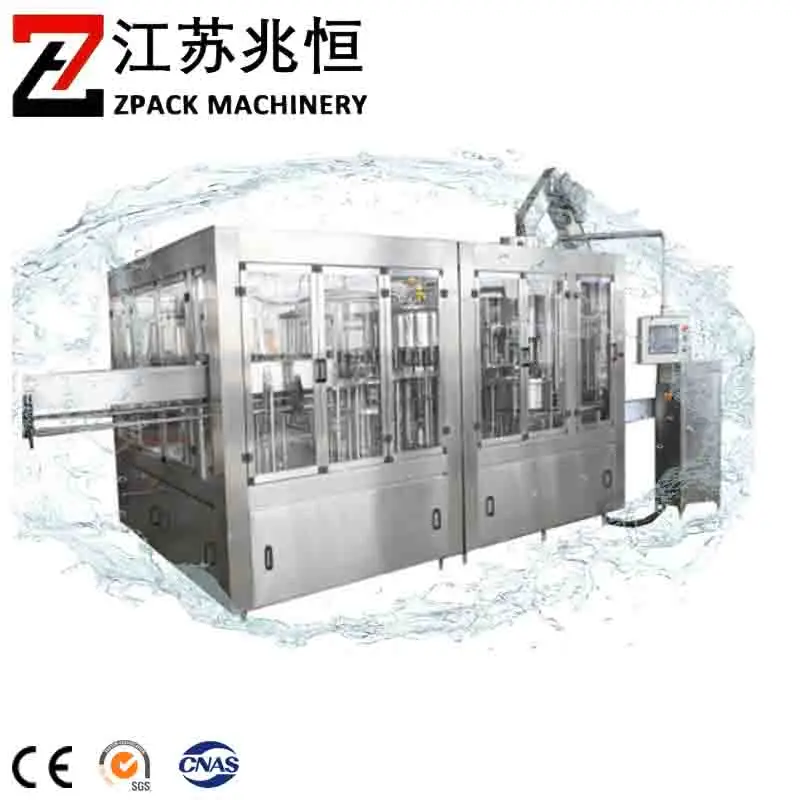
Water bottle filling systems are essential for beverage manufacturers aiming to streamline their production processes. These systems automate the filling of bottles, ensuring consistent quality and efficiency. As a purchasing manager or distributor, your primary concerns may revolve around specifications, reliability, and pricing. This article will guide you through key specifications, purchasing tips, quality control measures, applications in the beverage industry, and common issues encountered during the filling process, helping you make informed decisions regarding your water bottle filling plant solutions.
When evaluating water bottle filling systems, several key specifications should be prioritized:
Filling Capacity: This specification indicates the number of bottles that can be filled per hour. Understanding the required capacity helps in selecting a system that meets your production demands without causing bottlenecks.
Filling Accuracy: Precision in filling is crucial to minimize waste and ensure customer satisfaction. Look for systems that offer high accuracy within a specified tolerance level, as this can significantly affect your overall efficiency and product consistency.
Material Compatibility: Ensure the filling equipment is compatible with the materials used for your bottles and the liquids being filled. For instance, if you are filling mineral water, the materials should be resistant to corrosion and suitable for contact with food-grade liquids.
Automation Level: Evaluate whether you need a fully automated, semi-automated, or manual filling system. Fully automated systems reduce labor costs and increase efficiency, while semi-automated systems may provide flexibility for smaller production runs.
Clean ability: Equipment should be designed for easy cleaning and maintenance to comply with hygiene standards. Systems with removable parts or those designed for quick sanitation can save time and labor costs.
Selecting a water bottle filling system from ZPACK that aligns with these specifications will enhance your production efficiency and reduce operational costs.
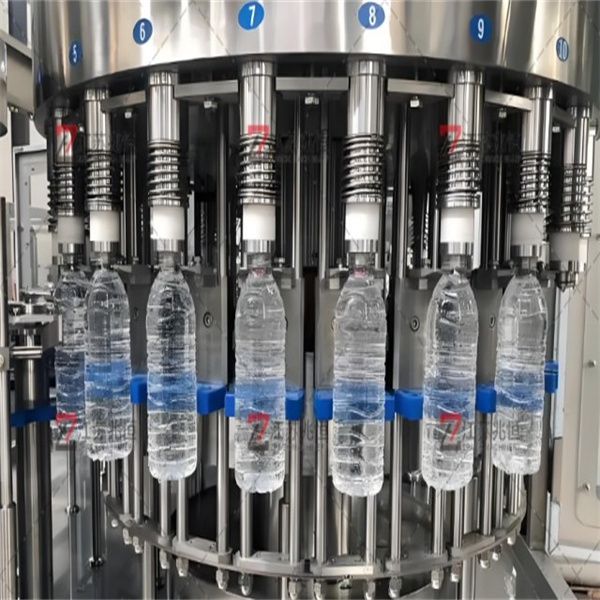
When sourcing water bottle filling systems, consider these wholesale purchasing tips to ensure you get reliable solutions:
Request Detailed Quotations: Provide potential suppliers with comprehensive information about your requirements, including expected production volume, bottle sizes, and any specific customization needs. This detail helps suppliers give accurate quotes and recommendations.
Evaluate Supplier Credentials: Check the manufacturer's experience in the industry, their production capabilities, and any certifications they hold. A supplier like ZPACK Machinery, with over 10 years of experience in beverage filling production lines, can provide valuable insights and reliability.
Inquire About After-Sales Support: A reliable supplier should offer robust after-sales support, including installation assistance, technical training, and spare parts availability. This support is crucial for minimizing downtime in your production line.
Compare Warranty and Maintenance Plans: Review the warranty terms and what maintenance services are included. A competitive warranty can signify the manufacturer’s confidence in their product quality.
Seek Customer References: Ask for testimonials or case studies from existing clients. This feedback can provide insights into the supplier's reliability and the performance of their systems in real-world applications.
By following these tips, you can make more informed decisions when purchasing 20 liter water bottle filling machine systems.
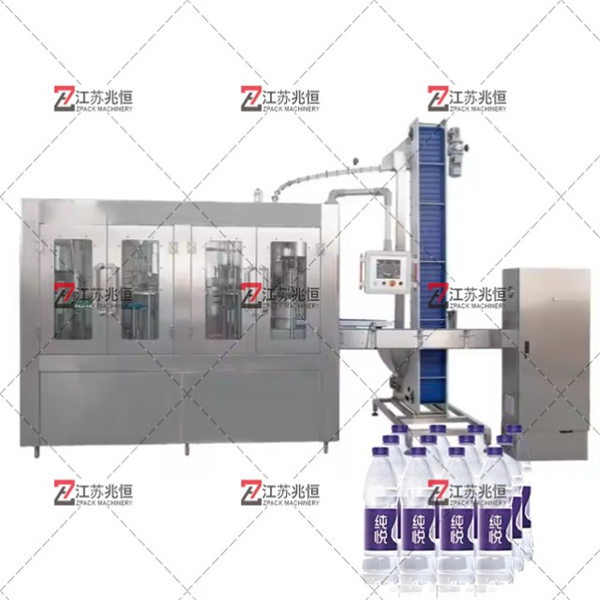
Quality control in water bottle filling systems is vital to ensure that the final product meets safety and quality standards. Here are key measures to consider:
In-Process Monitoring: Implementing sensors and monitoring systems can help track filling accuracy and detect any discrepancies in real-time. This proactive approach can reduce waste and ensure that each bottle is filled to the correct level.
Regular Maintenance Checks: Scheduled maintenance is crucial for preventing equipment malfunctions that could compromise product quality. Regularly inspecting and calibrating the filling machinery helps maintain precision and extends the lifespan of the equipment.
Sample Testing: Conducting regular sample testing of filled bottles can help identify contamination or inconsistencies. This testing should include checks for fill levels, seal integrity, and overall appearance.
Compliance with Industry Standards: Ensure that your filling systems comply with relevant industry regulations, such as those set by the FDA or local health authorities. Compliance not only protects consumers but also helps maintain your brand's reputation.
Employee Training: Providing comprehensive training for operators on the importance of quality control can enhance the overall efficiency of the filling process. Well-trained staff will be more likely to identify and rectify issues before they escalate.
Implementing these quality control measures will help you maintain high standards in your water bottle filling operations.
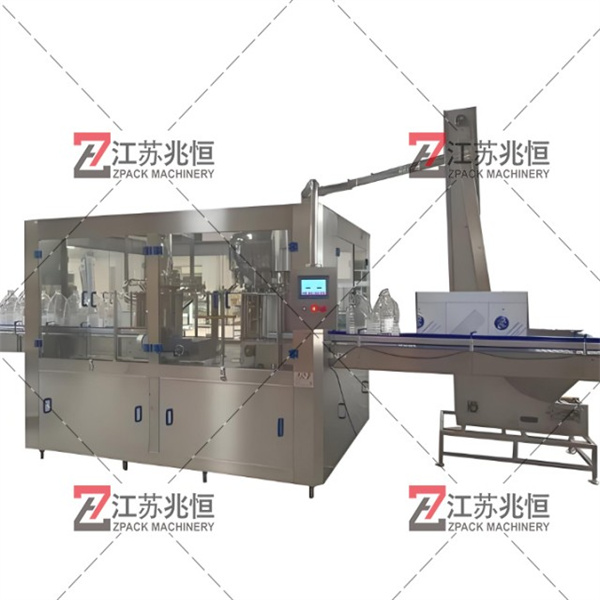
Water bottle filling systems are widely utilized in the beverage industry beyond just filling water bottles. Some applications include:
Mineral Water Bottling: The systems are designed to handle various types of mineral waters, ensuring that the filling process preserves the quality of the water while maintaining high efficiency.
Juice and Soft Drink Filling: These systems can be adapted for filling juices and soft drinks, requiring careful material selection to prevent contamination and maintain product integrity.
Flavored Water and Functional Beverages: As consumer demand shifts towards flavored and functional beverages, water filling systems can be customized to accommodate these products, focusing on both filling efficiency and quality.
Food Safety Compliance: ZPACK Water bottle filling systems are engineered to meet stringent food safety standards, ensuring that all beverages are filled in hygienic conditions and are safe for consumer consumption.
By understanding these applications, you can better evaluate how a water bottle filling system can fit into your operational needs.
We are very apple juice filling and sealing machine filling of our capability to provide cheap prices with no compromise on quality Utilizing our own physical factory we eliminate the need for middlemen so we can avoid costly price increases We are able to pass savings to our clients and make sure they receive the best value
We offer competitive products as well as 5 gallon water bottling machine products. Quality is paramount to us. Our equipment is subjected to extensive testing to ensure its flawless operation. We employ the most recent testing techniques and follow strict standards of quality control in order to ensure our equipment is up to standards prior to delivering it to our customers.
Focus on the development of new 5 gallon water filling machine and offering professional solutions for global customers As a nationally recognized high-tech firm we are able to boast an outstanding technological and scientific research and development strength Our expert team is made up of industry leaders and pioneers who constantly exploring the frontiers of technology to develop innovative solutions Our products and services will remain in the forefront of technology allowing our customers to enjoy a an edge in the market
Unwavering commitment to quality that protects your equipment with every step of the way. We recognize that a product's capabilities don't end after the purchase. We provide a comprehensive after sale to ensure customer satisfaction. We create an after-sales guarantee team for each customer, ensuring timely and efficient service. When any issues arise our team will address the issue within two hours and offer an solution within eight hours. We also provide a longer 5 gallon filling machine time, and our maintenance staff is always on hand to help with technical issues.
While water bottle filling systems enhance efficiency, they can also encounter several common issues. Here are solutions for these challenges:
Filling Inconsistency: If you notice variations in fill levels, consider recalibrating the filling nozzles or inspecting for blockages. Regular maintenance and monitoring can prevent these issues from becoming frequent.
Bottle Breakage: Using incompatible bottles or incorrect pressure settings can lead to breakage during the filling process. Ensure that the selected filling system and equipment settings are suited for the specific bottle types being used.
Sanitation Challenges: Maintaining cleanliness is critical, especially in beverage production. Implementing a regular cleaning schedule and using easy-to-disassemble components can simplify sanitation efforts.
Slow Production Rates: If your filling rates are not meeting expectations, assess the entire filling line for bottlenecks. This analysis may reveal that upgrading to a more automated system or enhancing operator training could significantly improve throughput.
Quality Control Failures: If filled products do not meet quality standards, review your quality control measures. Enhancing monitoring systems and increasing sample testing frequency can help catch issues early.
Addressing these common problems proactively will help ensure smooth operations in your water bottle filling processes.
By understanding the key specifications, purchasing tips, quality control measures, applications, and common challenges associated with water bottle filling system, you can make more informed decisions that enhance your production capabilities and ensure customer satisfaction.
 EN
 AR
 BG
 NL
 FR
 DE
 EL
 HI
 IT
 JA
 KO
 PT
 RU
 ES
 TL
 IW
 ID
 SR
 VI
 SQ
 TH
 TR
 FA
 AF
 MS
 SW
 BE
 BN
 EO
 HA
 KM
 LA
 MN
 ZU
 UZ
 AM
 KU
 SD
 XH