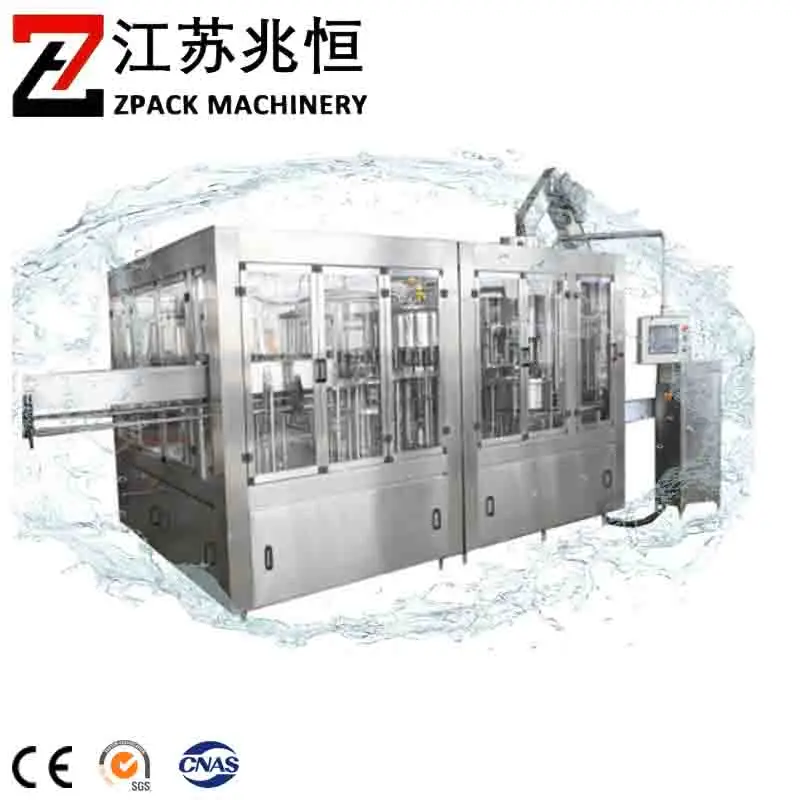
When considering the purchase of a water bottle filling machine, B2B buyers face a variety of concerns including efficiency, reliability, and overall cost-effectiveness. A water bottle filling machine is a crucial piece of equipment in beverage production, designed to automate the process of filling containers with liquid. Understanding the different options available, their specifications, and how to ensure optimal performance will help buyers make informed decisions. This article will guide you through selecting the right machine, evaluating specifications, finding reliable suppliers, considering costs, and ensuring the machine operates effectively.
Choosing the right water bottle filling machine requires understanding your production needs and operational requirements. Key factors to consider include:
Production Capacity: Determine how many bottles you need to fill per hour. This will influence the machine's size and complexity. For high-volume operations, a fully automated system may be necessary, while smaller operations could benefit from semi-automatic models.
Bottle Types and Sizes: Water bottle filling machines are designed to accommodate specific bottle types, whether plastic, glass, or other materials. Ensure the automatic water bottle filling machine can handle the dimensions and weight of your bottles, including variations in size if you plan to offer multiple formats.
Filling Technology: Different filling technologies, such as gravity, pressure, or vacuum filling, come with distinct advantages and suitable applications. Assess the liquid's viscosity, as thicker liquids may require different technology than water.
Automation Level: Consider whether you need a fully automated filling line or a more manual approach. Automated systems reduce labor costs and increase efficiency, whereas manual systems may provide more flexibility for smaller batches.
Compliance and Standards: Ensure the machine meets local and international health and safety regulations. Certifications may be required for food-grade materials and hygienic production processes.
By aligning these factors with your production goals, you will be better equipped to select a water bottle filling machine that meets your needs.
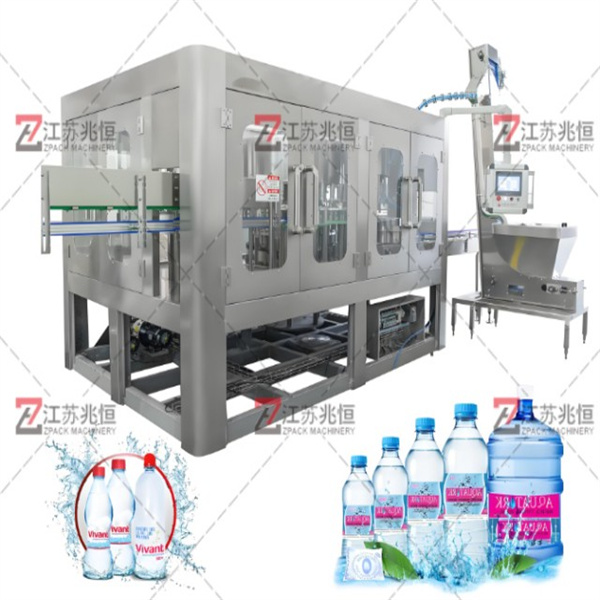
When assessing water bottle filling machines, several key specifications can significantly impact performance and suitability:
Filling Speed: Measured in bottles per minute (BPM), this specification tells you how quickly the machine can fill bottles. Higher speeds are essential for larger operations, while lower speeds may suffice for smaller runs.
Filling Accuracy: This refers to the machine's ability to fill bottles to the desired level without significant overfills or underfills. Accuracy is critical for maintaining product quality and adhering to regulatory standards.
Material Construction: The materials used in the machine's construction affect its durability and suitability for different environments. Stainless steel is often preferred for its resistance to corrosion and ease of cleaning, making it ideal for food and beverage applications.
Control Systems: Modern machines may include PLCs (Programmable Logic Controllers) for precision control of the filling process. User-friendly interfaces and programmable settings can enhance operational efficiency.
Maintenance Requirements: Evaluate how easy it is to clean and maintain the machine. Machines that require less downtime for maintenance will offer more consistent production output.
Carefully examining these specifications will help you narrow down your options and select a machine that aligns with your operational requirements.
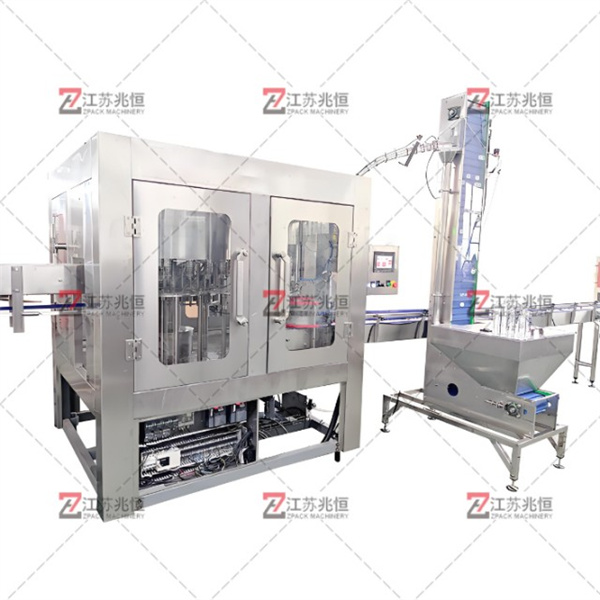
Finding a reliable supplier for water bottle filling machines is crucial for ensuring quality and support. Here are some strategies:
Industry Trade Shows: Attending trade shows focused on beverage manufacturing can connect you with multiple suppliers, allowing for hands-on demonstrations and direct discussions about your needs.
Online Research: Use industry-specific directories and platforms to identify manufacturers. Look for companies with a strong online presence, customer testimonials, and detailed product information.
Referrals and Recommendations: Seek recommendations from industry peers or professional networks. Experienced buyers can provide insights into their purchasing experiences and supplier reliability.
Factory Visits: If possible, visit potential suppliers' manufacturing facilities. This will give you an idea of their production capabilities, quality control processes, and commitment to standards.
Certifications: Verify that suppliers hold relevant certifications, such as ISO 9001 for quality management systems or food safety certifications, which demonstrate their commitment to quality and regulatory compliance.
By leveraging these methods, you can identify trustworthy suppliers who can meet your water bottle filling machine needs.
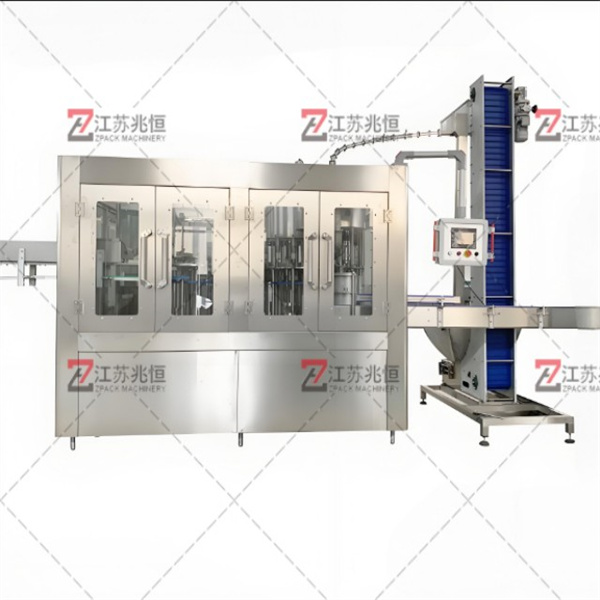
When budgeting for a water bottle filling machine, several cost factors should be taken into account:
Initial Purchase Price: The upfront cost of the machine will vary based on its size, features, and automation level. Be sure to request quotes from multiple suppliers to compare pricing.
Operating Costs: Consider the ongoing costs associated with running the machine, including energy consumption, maintenance, and labor costs. Automated machines may reduce labor costs but could have higher energy consumption.
Customization Costs: If you require specific customization to meet your production needs, be aware that this may increase the overall cost. Discuss these needs with your supplier to get accurate quotes.
Installation and Training: Factor in the costs for machine installation and any necessary training for your staff. Some suppliers may offer these services as part of the purchase, while others may charge additional fees.
Warranty and Support: Assess the warranty offered by the manufacturer and any associated costs for extended support. A comprehensive warranty can mitigate risks related to mineral water bottle filling machine failures and repairs.
Considering these cost factors will help you develop a realistic budget and ensure you understand the total investment required for your new water bottle filling machine.
We offer lifetime support after sales service and a commitment to high-quality. This will ensure the safety of your 5 gallon bottle blowing machine from damage at all stages. We provide a comprehensive after sale to ensure customer satisfaction. Each customer receives a dedicated group of after-sales guarantees to ensure rapid and prompt service. In the event of any problems the team will be able to respond within two hours and offer an solution within eight hours. We also offer a longer warranty period, and our maintenance team will be available to assist with technical issues.
Specializing in the manufacture of new equipment, and providing solutions to our global clients. We are a high-tech company that is recognized nationally. Our research and development capabilities are formidable. Our team is composed of apple juice filling and sealing machine filling innovators and experts who push the limits of technology in order to develop cutting-edge solutions. Our products and services stay in the forefront of technological advancements and provide our customers with an competitive advantage.
High standards and 5 gallon filling machine requirements are incorporated into the design and production of equipment We can offer an affordable prices We are proud of our ability to offer competitive prices without compromising on the quality We eliminate middlemen by relying only on our physical manufacturing facility This eliminates unnecessary price hikes We are able to pass savings onto our customers and make sure they receive the most value
We offer competitive products as well as 5 gallon water bottling machine products. Quality is paramount to us. Our equipment is subjected to extensive testing to ensure its flawless operation. We employ the most recent testing techniques and follow strict standards of quality control in order to ensure our equipment is up to standards prior to delivering it to our customers.
To guarantee the optimal performance of your water bottle filling machine, focus on the following practices:
Regular Maintenance: Establish a maintenance schedule that includes routine inspections, cleaning, and replacement of worn components. Preventative maintenance can extend the machine's lifespan and enhance reliability.
Operator Training: Ensure that all operators are thoroughly trained on the machine's features and best practices. Well-trained personnel are less likely to make errors that can lead to inefficiencies or production issues.
Quality Control Checks: Implement quality control measures to monitor filling accuracy, cleanliness, and overall product quality. Regularly checking filled bottles for consistency can help catch issues early.
Monitoring Systems: Utilize monitoring technology to track machine performance metrics, such as fill levels and speed. This data can help identify trends and potential problems before they impact production.
Adjustments and Upgrades: Stay open to adjustments in operational procedures or upgrades to the machine. As production needs evolve, upgrading the filling machine or its components can improve efficiency and output.
By following these best practices, you can ensure that your water bottle filling machine operates at peak performance, ultimately enhancing your production capabilities.
In summary, investing in a water bottle filling machine requires careful consideration of your operational needs, specifications, supplier reliability, cost factors, and performance maintenance. By taking a strategic approach to these aspects, you can make a well-informed decision that supports your business objectives.
 EN
 AR
 BG
 NL
 FR
 DE
 EL
 HI
 IT
 JA
 KO
 PT
 RU
 ES
 TL
 IW
 ID
 SR
 VI
 SQ
 TH
 TR
 FA
 AF
 MS
 SW
 BE
 BN
 EO
 HA
 KM
 LA
 MN
 ZU
 UZ
 AM
 KU
 SD
 XH