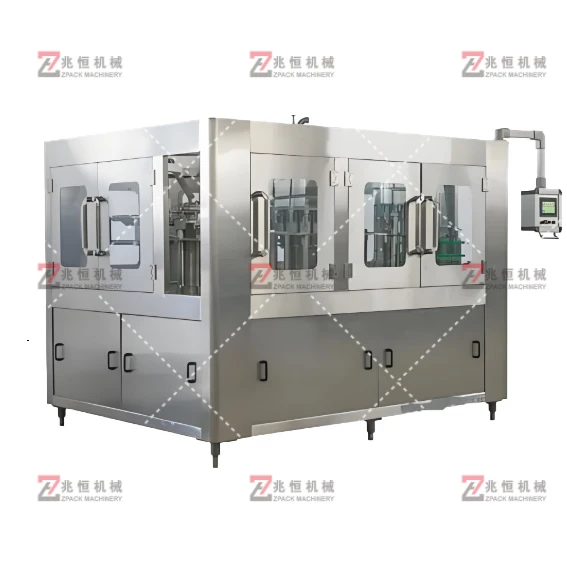
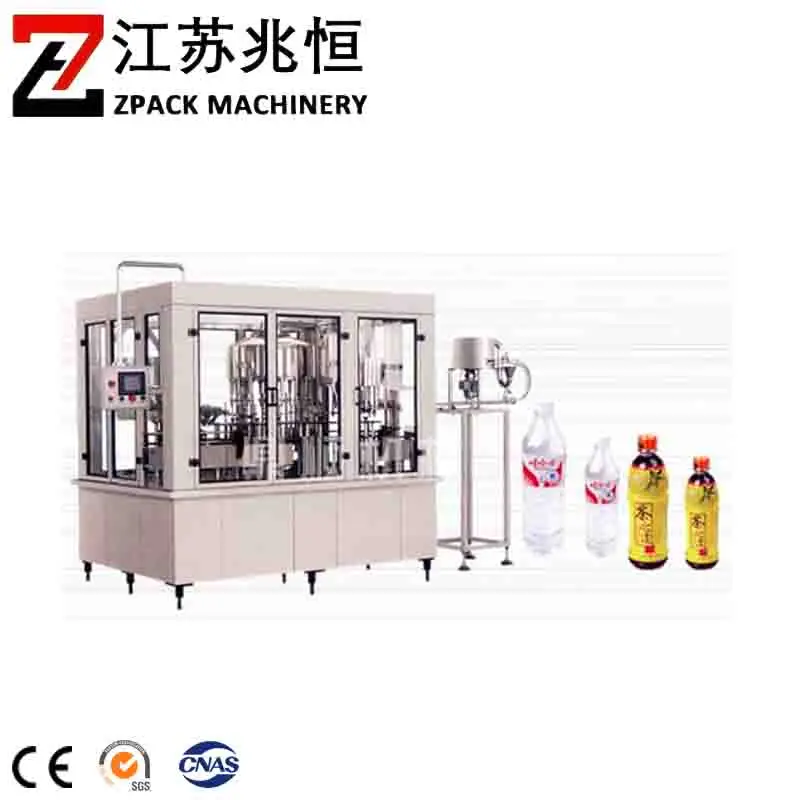
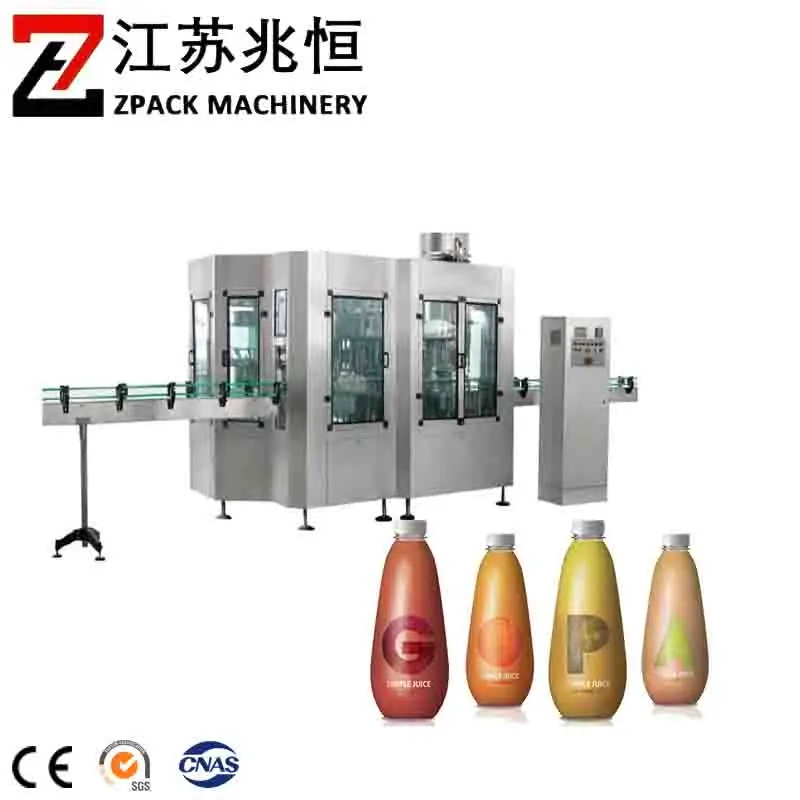
A ZPACK juice bottle sealing machine is a crucial component in the beverage manufacturing process, ensuring that juice bottles are securely sealed for freshness and preventing contamination. For B2B buyers such as purchasing managers, distributors, and engineers, understanding the specifications, cost factors, installation, applications, and comparison methods of these juice filling and sealing machine is essential for making informed decisions. This article will provide insights into these key areas, helping you identify the best juice bottle sealing solution for your operations.
When selecting a ZPACK juice bottle sealing machine, several key specifications must be considered to ensure optimal performance and suitability for your production needs.
Sealing Type: There are different sealing methods, including screw caps, twist-off caps, and induction sealing. Each method affects the product's shelf life and user convenience. Choose a sealing type that aligns with your packaging requirements and market expectations.
Production Capacity: Evaluate the machine's production speed, typically measured in bottles per minute (BPM). This specification is critical for meeting your production demands and ensuring efficiency. A higher capacity machine may be necessary for larger operations, whereas smaller businesses may opt for machines with lower outputs.
Material Compatibility: The sealing machine must be compatible with various bottle materials (e. g., glass, PET, HDPE). Verify that the machine can handle the materials used in your juice bottles to ensure effective sealing without compromising product integrity.
Adjustability and Customization: Look for machines that offer adjustable settings for different bottle sizes and shapes. Customization capabilities can be beneficial for businesses producing multiple product lines.
Quality Control Features: Advanced sealing machines may include quality control systems that monitor seal integrity. This can help prevent costly product recalls and maintain brand reputation.
By thoroughly evaluating these specifications, buyers can select a liquid filling sealing machine that meets their operational requirements and enhances product quality.
The investment in a juice bottle sealing machine involves multiple cost factors beyond the initial purchase price. Understanding these can help buyers make informed financial decisions.
Initial Purchase Price: This includes the base cost of the machine and any additional features or upgrades. It’s essential to compare the upfront costs against the machine's long-term benefits and performance.
Operating Costs: Consider the costs related to energy consumption, maintenance, and labor. Machines with higher energy efficiency can lead to significant savings over time. Regular maintenance is crucial for optimal machine performance and longevity.
Customization Costs: If your production requires specific modifications or customizations, factor in these additional costs. Custom machinery may entail higher initial expenses but can lead to better efficiency and product handling.
Training and Installation: Some suppliers may include installation and training in the purchase price, while others may charge extra. Ensure you account for these expenses when budgeting.
Spare Parts and Warranty: Investigate the availability and cost of spare parts and the warranty offered by the manufacturer. A robust warranty can provide peace of mind regarding future repairs and maintenance costs.
By analyzing these cost factors, buyers can develop a comprehensive budget that considers both short-term investments and long-term operational expenses.
Proper installation of juice bottle sealing machines is vital for maximizing efficiency and ensuring consistent operation. Here are some essential guidelines for successful installation:
Site Preparation: Ensure that the installation area is clean, well-lit, and equipped with the necessary utilities (electricity, water, and compressed air if required). Adequate space should be allocated for the machine and future maintenance access.
Leveling the Machine: It is crucial to level the machine during installation to ensure proper operation. An unlevel machine can lead to misalignment during the sealing process, affecting product quality.
Calibration: After installation, calibrate the machine according to the specific requirements of your juice bottles. This may include adjusting the sealing pressure, temperature, and timing based on the bottle material and sealing method.
Testing: Conduct thorough testing with actual bottles before commencing full production. This helps identify any adjustments that need to be made and ensures that the filling sealing machine is operating within specifications.
Training Operators: Ensure that operators are well-trained on the machine's features and maintenance requirements. Proper training enhances efficiency and reduces the risk of operator errors.
Following these installation guidelines will help ensure that your juice bottle sealing machine operates effectively and reliably, contributing to your overall production success.
ZPACK Juice bottle sealing machines play a vital role across various sectors, ensuring that beverages are safely sealed and preserved. Here are some notable applications:
Beverage Production: The primary application is in the beverage industry, where these machines seal juice bottles to maintain freshness and extend shelf life. They are suitable for both small-scale artisanal producers and large beverage manufacturers.
Food Industry: Beyond juices, these machines can also be utilized for sealing sauces, dressings, and other liquid food products, ensuring hygiene and preventing contamination.
Pharmaceuticals: In the pharmaceutical sector, sealing machines are used for sealing liquid medications to ensure product safety and compliance with health regulations.
Cosmetics and Personal Care: Juice bottle sealing technology can be adapted for cosmetic products, ensuring that lotions, creams, and liquid soaps are securely sealed to preserve quality.
Chemical Industry: Some chemicals require secure packaging to prevent spills or contamination. Sealing machines can cater to these specialized needs by providing robust sealing solutions.
By understanding the diverse applications of juice bottle sealing machines, buyers can identify opportunities for investment that extend beyond traditional beverage production.
We are proud of our ability to provide competitive prices without 5 gallon water bottling machine quality We eliminate middlemen by relying exclusively on our physical facility This prevents any unnecessary price hikes We can pass the savings onto our customers and ensure that they get the best value
Specialized in the Active carbon filter of new equipment and providing solutions to clients across the world As a nationally recognized high-tech firm we are able to boast a formidable scientific and technological research and development strength Our team of experts are comprised of industry leaders and innovators who are always exploring the frontiers of technology to design innovative solutions Our products and services will remain in the forefront of technology allowing our customers to enjoy a a competitive advantage
We offer low-cost products as well as customized, personalized products. We place a premium on quality. Our equipment undergoes extensive testing to ensure its smooth operation. We use the latest Active carbon filter methods and adhere to the highest standards of quality control to make sure our equipment meets standards before delivering it to our clients.
Unwavering commitment to quality that protects your equipment with every step of the way. We recognize that a product's capabilities don't end after the purchase. We provide a comprehensive after sale to ensure customer satisfaction. We create an after-sales guarantee team for each customer, ensuring timely and efficient service. When any issues arise our team will address the issue within two hours and offer an solution within eight hours. We also provide a longer 5 gallon filling machine time, and our maintenance staff is always on hand to help with technical issues.
When evaluating different juice bottle sealing machines, a structured approach can help buyers make the best choice for their specific requirements. Here are key steps to consider during the comparison process:
Identify Your Needs: Clearly outline your production needs, including the type of juice, bottle sizes, expected throughput, and any specific sealing requirements.
Request Samples: If possible, request a demonstration or samples of the sealing process. Observing the machine in action can provide valuable insights into its performance and reliability.
Evaluate Specifications: Compare the specifications of different machines side-by-side. Focus on critical factors such as sealing speed, material compatibility, and adjustability.
Consider Manufacturer Reputation: Research the manufacturers’ reputation within the industry. Look for customer reviews and case studies to gauge how their machines perform in real-world conditions.
Assess Support and Warranty: Evaluate the level of customer support and warranty offered by manufacturers. A reliable support system can be crucial for minimizing downtime and ensuring smooth operations.
Total Cost of Ownership: Beyond the purchase price, consider the total cost of ownership, which includes maintenance, operating costs, and potential downtime. This will provide a clearer picture of the long-term investment.
By systematically comparing these aspects, buyers can make informed decisions and select a juice bottle sealing machine that aligns with their operational goals and budget constraints.
 EN
 AR
 BG
 NL
 FR
 DE
 EL
 HI
 IT
 JA
 KO
 PT
 RU
 ES
 TL
 IW
 ID
 SR
 VI
 SQ
 TH
 TR
 FA
 AF
 MS
 SW
 BE
 BN
 EO
 HA
 KM
 LA
 MN
 ZU
 UZ
 AM
 KU
 SD
 XH