A carbonated filling machine is an essential piece of equipment in the beverage industry, specifically designed for filling carbonated drinks into various containers. This machinery ensures that the carbon dioxide remains dissolved in the liquid during the filling process, which is crucial for maintaining the drink’s quality and taste. For B2B buyers, understanding the specifications, costs, installation requirements, common issues, and benefits of these machines is vital for making informed purchasing decisions. This article will provide insights into these topics to help you evaluate and select the right carbonated filling machine for your operations.
When selecting a carbonated filling machine, several key specifications must be considered to ensure optimal performance. These specifications include:
Filling Capacity: This is often measured in bottles per hour (BPH) and varies by model. A higher capacity is essential for large-scale operations but may not be necessary for smaller businesses.
Filling Temperature: The ideal temperature for filling carbonated beverages typically ranges from 0°C to 4°C. Lower temperatures help maintain carbonation and prevent foaming during filling.
Pressure Control: Accurate pressure control is critical to prevent loss of carbonation. The carbonated drinks filling machine should have adjustable pressure settings to accommodate different beverage types and carbonation levels.
Material Construction: Stainless steel is the preferred material for components in contact with beverages, as it is resistant to corrosion and easy to clean. Look for machines that utilize high-quality materials to ensure durability and compliance with food safety standards.
Automation Level: Machines can be fully automated, semi-automated, or manual. Automated carbonated drink production line improve efficiency but may have higher upfront costs. Depending on your production scale, consider the balance between automation and operational costs.
Compatibility: Ensure the machine is compatible with the types of containers (e. g., glass, PET, aluminum) you plan to use. Some machines are designed for specific container types, affecting flexibility in production.
Understanding these specifications will help you choose a machine that aligns with your production needs and operational goals.
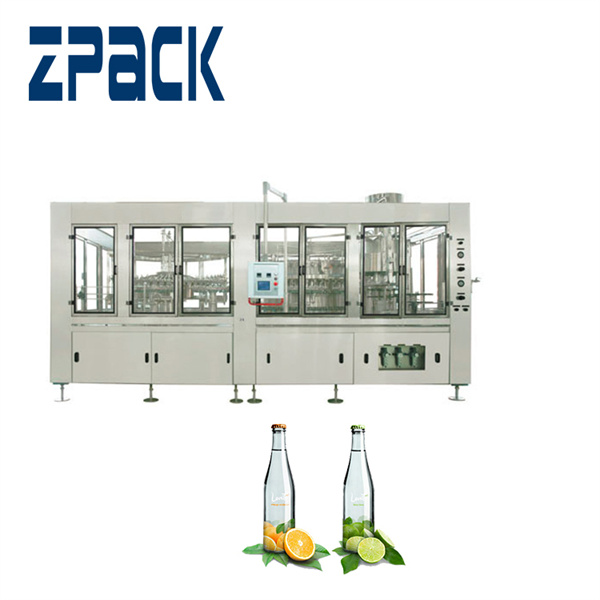
Evaluating the cost of a carbonated filling machine involves more than just looking at the purchase price. Here are key factors to consider:
Upfront Costs: This includes the initial price of the machine, installation costs, and any necessary upgrades to your facility to accommodate the new equipment.
Operational Costs: Assess ongoing costs such as energy consumption, maintenance, and labor. Automated machines may have higher initial costs but can lead to lower operational costs over time due to reduced labor needs.
Customization Costs: If you require specific features or modifications, be prepared for additional costs. Customization might include special filling nozzles for different beverage types or modifications for unique container shapes.
Warranty and Support: Consider the warranty period and the level of support offered by the manufacturer. A longer warranty may indicate higher confidence in the machine’s reliability, which can save costs on repairs and downtime.
Return on Investment (ROI): Calculate the potential ROI by estimating production increases, savings from reduced labor, and decreased product loss due to better filling accuracy.
By thoroughly analyzing these cost factors, you can make a more informed decision that aligns with your budget and production goals.
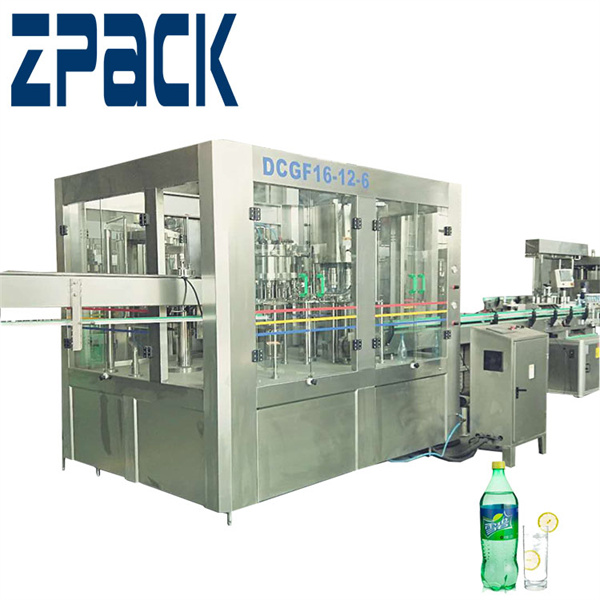
Proper installation of a carbonated filling machine is crucial to ensure optimal performance. Here are key steps to follow:
Site Preparation: Ensure the installation area is clean, dry, and adequately prepared to accommodate the machine's size and weight. Check for necessary utilities such as electricity and water.
Alignment and Leveling: The machine must be installed on a level surface to ensure proper operation. Misalignment can lead to filling inaccuracies and increased wear on components.
Connection to Other Systems: If your filling machine is part of a larger production line, ensure it is correctly connected to upstream (e. g., water treatment, carbonation) and downstream (e. g., labeling, packaging) systems.
Calibration: After installation, calibrate the machine according to the manufacturer’s instructions. Proper calibration ensures accurate filling and minimizes product loss.
Training: Provide training for your operators on proper machine usage and maintenance. Understanding the machine’s functions and troubleshooting common issues can prevent costly downtime.
Following these guidelines will facilitate a smoother installation process and set the foundation for successful operations.
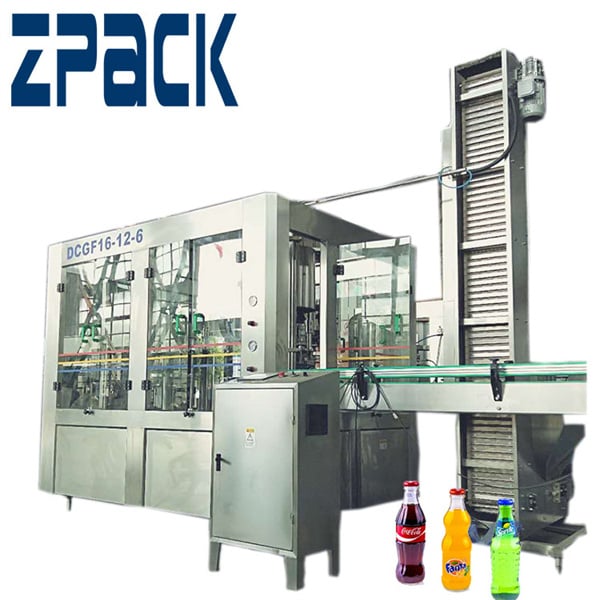
Despite their efficiency, carbonated filling machines can encounter several common issues. Here are some problems and their solutions:
Foaming During Filling: Excessive foaming can occur if the filling temperature is too high or if the filling pressure is not correctly adjusted. To mitigate this, ensure that the beverage is chilled and review pressure settings regularly.
Inconsistent Filling Volumes: Inaccurate filling can lead to discrepancies in product quantity. Regularly calibrate the machine and perform routine checks to ensure that nozzles are clean and functioning properly.
Leakage: Leaks can occur due to worn seals or improper installation. Regular maintenance checks and replacing seals as needed can prevent this issue.
Carbonation Loss: If the carbonation level drops during filling, it may be due to inadequate pressure control. Make sure to monitor and adjust the carbonation levels as needed.
Mechanical Failures: Regularly scheduled maintenance is essential to identify and rectify potential mechanical issues before they lead to downtime. Implementing a preventative maintenance schedule can help ensure long-term reliability.
Understanding these common problems and their solutions will enable you to maintain your carbonated filling machine effectively, reducing operational disruptions.
Focus on the development of new 5 gallon water filling machine and offering professional solutions for global customers As a nationally recognized high-tech firm we are able to boast an outstanding technological and scientific research and development strength Our expert team is made up of industry leaders and pioneers who constantly exploring the frontiers of technology to develop innovative solutions Our products and services will remain in the forefront of technology allowing our customers to enjoy a an edge in the market
We 5 gallon filling machine affordable products and customized, personalized products. We place a premium on the quality of our products. After our equipment has been completed It is tested rigorously in sufficient quantities to ensure its perfect operation. We adhere to the strictest quality control guidelines and use modern testing methods to ensure that each piece of equipment is in line with our standards prior to when it is sent to our customers.
We offer lifetime support after sales service and a commitment to high-quality. This will ensure the safety of your Auto blowing machine from damage at all stages. We provide a comprehensive after sale to ensure customer satisfaction. Each customer receives a dedicated group of after-sales guarantees to ensure rapid and prompt service. In the event of any problems the team will be able to respond within two hours and offer an solution within eight hours. We also offer a longer warranty period, and our maintenance team will be available to assist with technical issues.
We are proud of our ability to provide competitive prices without 5 gallon water bottling machine quality We eliminate middlemen by relying exclusively on our physical facility This prevents any unnecessary price hikes We can pass the savings onto our customers and ensure that they get the best value
When considering a carbonated filling machine, it's essential to understand the features that add value to your operations:
Speed and Efficiency: High-capacity machines can significantly increase your production rates, allowing you to meet market demand more effectively. This efficiency can lead to lower per-unit costs.
Precision Filling: Advanced filling technology ensures that each container receives the correct amount of liquid, reducing waste and improving product consistency.
User-Friendly Interfaces: Many modern machines feature intuitive interfaces that simplify operation, making it easier for staff to manage production and troubleshoot issues.
Hygienic Design: Machines designed with hygiene in mind help prevent contamination, which is crucial in the beverage industry. Look for machines with easy-to-clean surfaces and minimal dead zones.
Energy Efficiency: Some machines come equipped with energy-saving features that reduce operational costs and minimize environmental impact, aligning with sustainability initiatives.
By understanding these features and their benefits, you can select a carbonated filling machine that not only meets your production needs but also enhances your overall operational efficiency.
 EN
 AR
 BG
 NL
 FR
 DE
 EL
 HI
 IT
 JA
 KO
 PT
 RU
 ES
 TL
 IW
 ID
 SR
 VI
 SQ
 TH
 TR
 FA
 AF
 MS
 SW
 BE
 BN
 EO
 HA
 KM
 LA
 MN
 ZU
 UZ
 AM
 KU
 SD
 XH