Choosing the right bottle rinsing filling capping machine is crucial for the efficiency and quality of your beverage production line. This equipment plays a vital role in ensuring that bottles are thoroughly cleaned, accurately filled, and securely sealed, which directly impacts product quality and shelf life. Buyers often face concerns over compatibility, performance, and cost-effectiveness when selecting such machines. This article will guide you through essential considerations, specifications, and common issues related to bottle rinsing filling capping machines, helping you make an informed purchasing decision.
Selecting the appropriate bottle rinsing filling capping machine requires a thorough understanding of your production needs. Key factors to consider include:
Bottle Specifications: Assess the dimensions, material, and design of the bottles you intend to use. Machines must be compatible with various bottle shapes and sizes to ensure seamless operation.
Production Capacity: Determine your expected production volume. Machines are available in different capacities, and selecting one that meets your needs can optimize efficiency and reduce downtime.
Automation Level: Consider the level of automation you desire. Fully automated systems can enhance speed and reduce labor costs, while semi-automated machines provide flexibility.
Integration with Existing Systems: Ensure that the new machine can integrate smoothly with your current production line, including conveyors and packaging systems. The right Packaging Machine can significantly enhance this integration.
Customization Options: Depending on your production requirements, you may need a machine with customizable features, such as adjustable fill volumes or varying rinsing methods.
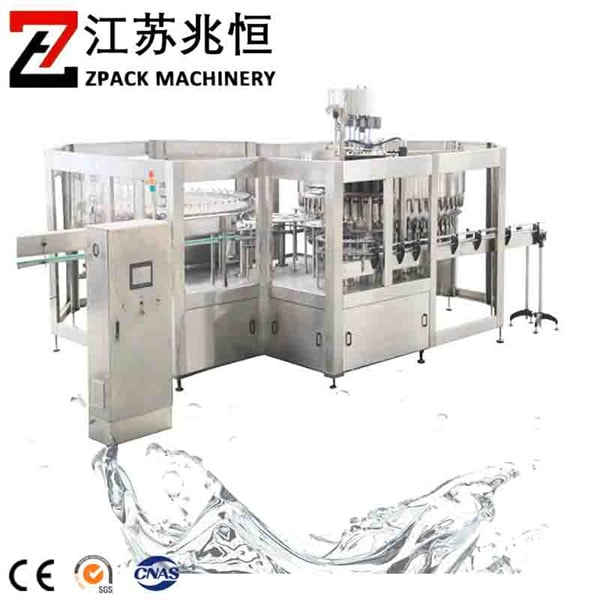
When evaluating filling machines specifically, focus on the following specifications and features:
Filling Mechanism: Different machines utilize various filling mechanisms, such as volumetric, gravimetric, or pressure filling. Each method suits different product viscosities and filling speeds, and understanding your liquid's characteristics is crucial for optimal performance.
Material Construction: The materials used in the machine's construction should be durable and suitable for food and beverage applications. Stainless steel is often preferred for its corrosion resistance and ease of cleaning.
Precision and Accuracy: Look for machines with high filling accuracy to minimize product waste and ensure compliance with regulations regarding fill levels.
Cleaning and Maintenance: Consider how easy the machine is to clean and maintain. Features like quick-release components and self-cleaning capabilities can significantly reduce downtime and labor costs.
Safety Features: Safety mechanisms, such as emergency stop buttons and safeguard guards, are essential for protecting operators and ensuring compliance with safety standards.
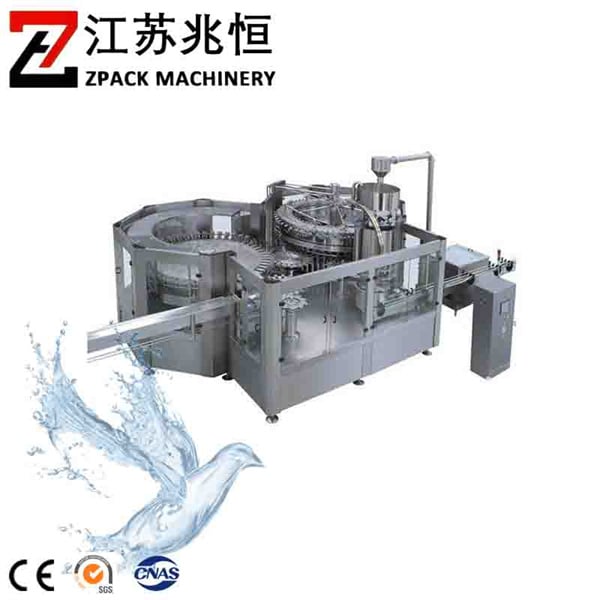
Understanding the cost factors associated with bottle rinsing filling capping machines can help you budget effectively. Key considerations include:
Initial Investment: The price of the machine itself can vary widely based on capabilities and features. Fully automated systems typically have a higher upfront cost compared to manual or semi-automated options.
Operational Costs: Factor in the costs of energy consumption, maintenance, and labor associated with running the machine. Automated systems may reduce labor costs but can increase energy usage.
Spare Parts and Service: Consider the availability and cost of replacement parts, as well as the manufacturer's service support. A reliable supplier can save you money in the long run by minimizing downtime.
Shipping and Installation: Don’t overlook potential shipping costs and installation fees. These can significantly impact your overall budget, especially for larger machines.
Customization Fees: If you require modifications to meet specific production needs, be aware of any additional costs associated with customization.
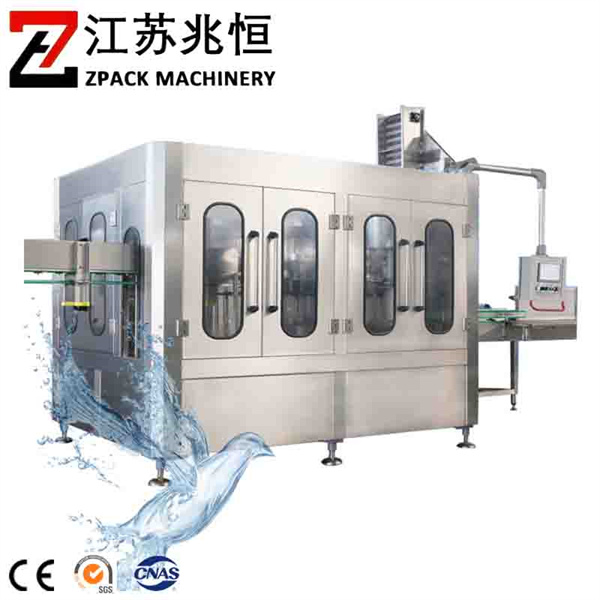
Bottling systems can encounter various issues that may affect production efficiency. Being aware of these problems and their solutions can save time and reduce costs:
Inconsistent Fill Levels: This can result from factors such as improper calibration, pump issues, or blockages. Regular calibration and maintenance checks can help mitigate this problem.
Bottle Breakage: Improper handling during the rinsing or filling processes can lead to breakage. Implementing gentle handling mechanisms and ensuring proper alignment can reduce this risk.
Cross-Contamination: Inadequate cleaning of the machine can lead to contamination. Employing a rigorous cleaning protocol and using machines with self-cleaning capabilities can minimize this risk.
Mechanical Failures: Wear and tear on components can lead to mechanical issues. Routine inspections and timely replacement of worn parts are crucial for maintaining machine performance.
Software Glitches: In automated systems, software issues can disrupt operations. Ensure that your supplier provides reliable technical support and regular software updates.
Quality standards and stringent requirements are utilized in the manufacturing of equipment We can provide reasonable prices We pride Active carbon filter on our ability to offer competitive prices without compromising on quality We eliminate middlemen and rely only on our physical manufacturing facility This avoids any unneeded price increases We can pass these savings to our customers and make sure they receive the best value
The company is specialized in producing innovative equipment and providing Auto blowing machine solutions for global customers As a nationally-recognized high-tech enterprise we possess a formidable scientific and technological research and development strength Our team of experts is comprised of leaders in the industry and innovators who are always exploring the frontiers of technology in order to come up with modern solutions Our products and services will remain in the forefront of technology allowing our customers to enjoy a an advantage in competition
We offer competitive products as well as 5 gallon water bottling machine products. Quality is paramount to us. Our equipment is subjected to extensive testing to ensure its flawless operation. We employ the most recent testing techniques and follow strict standards of quality control in order to ensure our equipment is up to standards prior to delivering it to our customers.
Unwavering commitment to quality that protects your equipment with every step of the way. We recognize that a product's capabilities don't end after the purchase. We provide a comprehensive after sale to ensure customer satisfaction. We create an after-sales guarantee team for each customer, ensuring timely and efficient service. When any issues arise our team will address the issue within two hours and offer an solution within eight hours. We also provide a longer 3 in 1 liquid filling machine time, and our maintenance staff is always on hand to help with technical issues.
When comparing various bottle rinsing filling capping machines, consider the following features that can distinguish models from one another:
Flexibility: Some machines can handle multiple bottle sizes and shapes with minimal adjustments. This flexibility can be beneficial for companies that produce a range of products.
Speed: Evaluate the machine's filling speed, typically measured in bottles per hour. Higher speeds can enhance production efficiency, but ensure that speed does not compromise fill accuracy.
Technology Integration: Advanced machines may offer features such as real-time monitoring, data logging, and compatibility with production management software, enhancing operational efficiency. Additionally, consider incorporating a Palletizer to streamline your production process.
Warranty and Support: Leading manufacturers often provide comprehensive warranty options and robust customer support. This can be a decisive factor when comparing machines, as reliable support can reduce long-term operational risks.
User Interface: A user-friendly interface can simplify operation and reduce training time for staff, enhancing overall productivity.
Choosing the right bottle rinsing filling capping machine involves careful consideration of various factors, including your production needs, budget, and the specific features of the machines available. By understanding these elements, you can make a more informed decision that aligns with your operational goals and quality standards.
 EN
 AR
 BG
 NL
 FR
 DE
 EL
 HI
 IT
 JA
 KO
 PT
 RU
 ES
 TL
 IW
 ID
 SR
 VI
 SQ
 TH
 TR
 FA
 AF
 MS
 SW
 BE
 BN
 EO
 HA
 KM
 LA
 MN
 ZU
 UZ
 AM
 KU
 SD
 XH