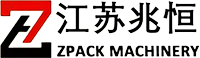
Automatic bottle filling plants are essential in the beverage industry, enabling efficient and consistent filling of various bottle types. As a purchasing manager, distributor, or engineer, understanding the specifications, features, and selection criteria for these systems is crucial. This article will provide insights into automatic bottle filling plants, addressing common concerns and guiding you through the selection process.
Automatic bottle filling plants vary widely in specifications based on the type of beverage, bottle size, and production volume. Key specifications to consider include:
Filling Speed: This is typically measured in bottles per hour. Higher speeds are crucial for large-scale operations, but the right speed should align with your production goals to maintain quality.
Filling Accuracy: Precision in filling is vital to minimize waste and ensure product quality. Look for systems that offer adjustable filling volumes and reliable measurement technologies.
Bottle Compatibility: Different plants handle various bottle shapes and materials (e.g., PET, glass, or aluminum). Ensure the chosen system supports the specific bottles you intend to use. Additionally, you might want to consider a Packaging Machine that complements your filling line.
Automation Level: Fully automated systems include integrated conveyors and packaging options, while semi-automatic plants may require more manual input. Assess your workforce capabilities and production strategy when choosing.
Sanitation Standards: Compliance with food safety regulations is crucial. Evaluate the materials used in the construction of the filling system, along with cleaning features that ensure hygiene.
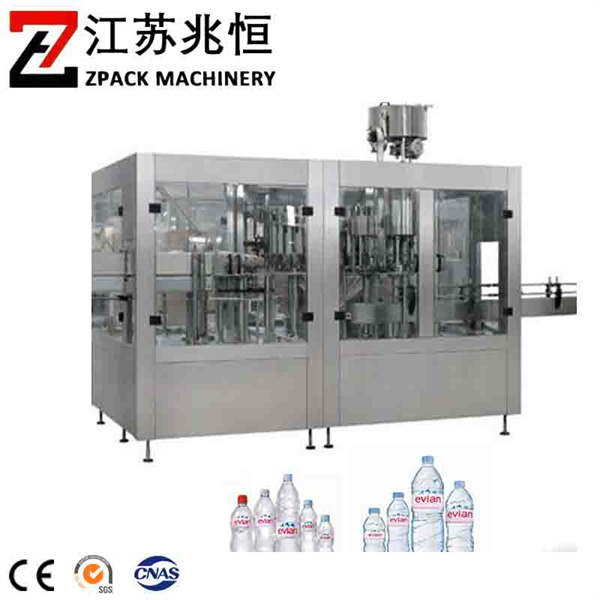
Selecting the right automatic bottle filling plant involves several considerations:
Production Requirements: Determine your production capacity needs. Consider not just the current demand but also future growth. Discussing your anticipated production volume with the supplier can help in choosing the right model.
Beverage Type: Different beverages (carbonated drinks, juices, or dairy products) may require specific filling technologies. For instance, carbonated beverages may need pressure filling systems to avoid foaming. If you are looking at juices, a Juice Filling Machine could be essential.
Customization Options: Look for manufacturers that offer customization. Whether you need a specific filling head design or unique bottle handling, customization can enhance efficiency and product quality.
Cost vs. Quality: While it might be tempting to select the cheapest option, consider the total cost of ownership, including maintenance, energy consumption, and potential downtime. Investing in a reliable system can yield better long-term savings.
Supplier Reputation: Research and evaluate suppliers based on their experience, customer reviews, and service offerings. A supplier with a strong reputation can provide better support and reliability.
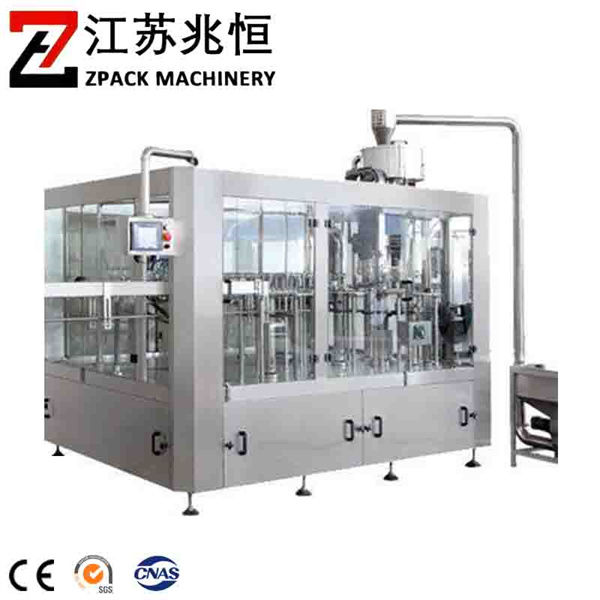
Finding trustworthy suppliers requires thorough research. Here are steps to identify reliable manufacturers:
Industry Trade Shows: Attending trade shows focused on beverage production can provide direct access to manufacturers, allowing you to see their systems in action and discuss your needs.
Online Directories and Reviews: Websites like ThomasNet or industry-specific directories can help locate manufacturers. Pay attention to user reviews and ratings to gauge reliability.
Networking: Engaging with industry peers can yield recommendations for trusted suppliers. Leverage professional networks or forums to exchange experiences.
Manufacturer Websites: Visit company websites to understand their product offerings, technological innovations, and customer support policies. Look for case studies or testimonials that reflect their expertise in the field.
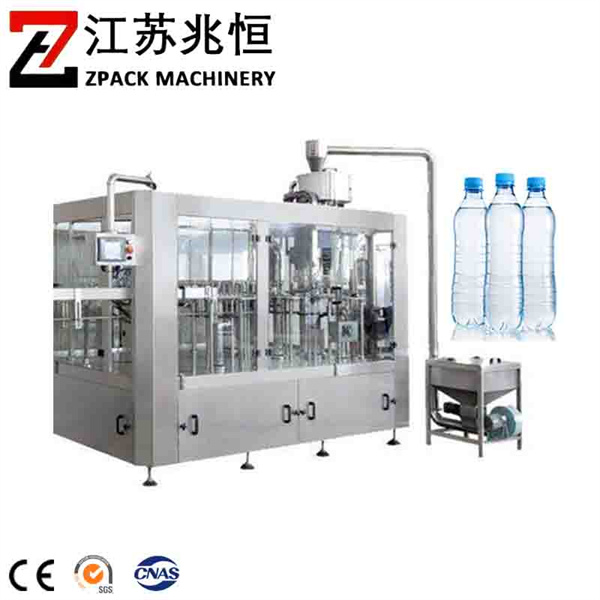
When evaluating automatic bottle filling plants, consider the following features and their benefits:
Flexibility: Many modern systems can accommodate different bottle sizes and types, reducing the need for multiple machines. This adaptability can save costs and space.
Advanced Control Systems: Integrated automation and monitoring systems provide real-time data on production efficiency, allowing for quick adjustments and minimizing downtime.
Energy Efficiency: Newer models are designed to consume less energy, contributing to lower operational costs and a smaller carbon footprint.
Maintenance Accessibility: Systems designed for easy access to components simplify maintenance and reduce downtime. Check for features like modular designs that facilitate quicker repairs.
Safety Features: Look for built-in safety mechanisms that protect operators and ensure compliance with industry standards.
Specialize in manufacturing innovative equipment and 5 gallon water refill machine professional solutions to our global customers We are a high-tech firm that is recognized nationally Our research and development capabilities are unbeatable Our team is composed of industry experts and innovators who push the boundaries of technology to create innovative solutions This ensures that our products and services stay in the forefront of technological advancements and provide our clients with a competitive edge
We offer lifetime support after sales service and a commitment to high-quality. This will ensure the safety of your Auto blowing machine from damage at all stages. We provide a comprehensive after sale to ensure customer satisfaction. Each customer receives a dedicated group of after-sales guarantees to ensure rapid and prompt service. In the event of any problems the team will be able to respond within two hours and offer an solution within eight hours. We also offer a longer warranty period, and our maintenance team will be available to assist with technical issues.
We provide 5 gallon water refill machine products, as well as individualized, custom-designed products. The quality of our products is a top priority for us. The equipment we use undergoes a rigorous testing to ensure that it operates flawlessly. We adhere to the strictest standards of quality control and employ modern testing methods to ensure that every piece of equipment meets our strict standards before it is handed over to our customers.
We are proud of our ability to provide competitive prices without 5 gallon water bottling machine quality We eliminate middlemen by relying exclusively on our physical facility This prevents any unnecessary price hikes We can pass the savings onto our customers and ensure that they get the best value
For contractors involved in the installation or operation of automatic bottle filling plants, consider the following best practices:
Site Preparation: Ensure that the installation site meets all necessary requirements regarding space, utilities, and accessibility. Proper site preparation can significantly reduce installation time.
Training: Provide comprehensive training for operators. Understanding the equipment and its operation can minimize errors and enhance safety.
Quality Checks: Implement quality control protocols during the setup phase. Before full-scale production begins, conduct trial runs to identify and address potential issues.
Vendor Communication: Maintain open lines of communication with the manufacturer during installation and initial operation. This ensures any technical challenges can be quickly resolved.
Documentation: Keep detailed records of maintenance, inspections, and production performance. This documentation can be invaluable for troubleshooting and future planning.
In summary, understanding the specifications, evaluating suppliers, and considering key features are critical steps in selecting the right automatic bottle filling plant for your operations. Each stage of the purchasing process should be approached with careful consideration to ensure optimal performance and return on investment. By following this guide, you can make informed decisions that enhance your production capabilities.
 EN
 AR
 BG
 NL
 FR
 DE
 EL
 HI
 IT
 JA
 KO
 PT
 RU
 ES
 TL
 IW
 ID
 SR
 VI
 SQ
 TH
 TR
 FA
 AF
 MS
 SW
 BE
 BN
 EO
 HA
 KM
 LA
 MN
 ZU
 UZ
 AM
 KU
 SD
 XH